The Cultural Power and Evolution of Fashion: Identity, Innovation, and Influence
Understanding Fashion as a Reflection of Society
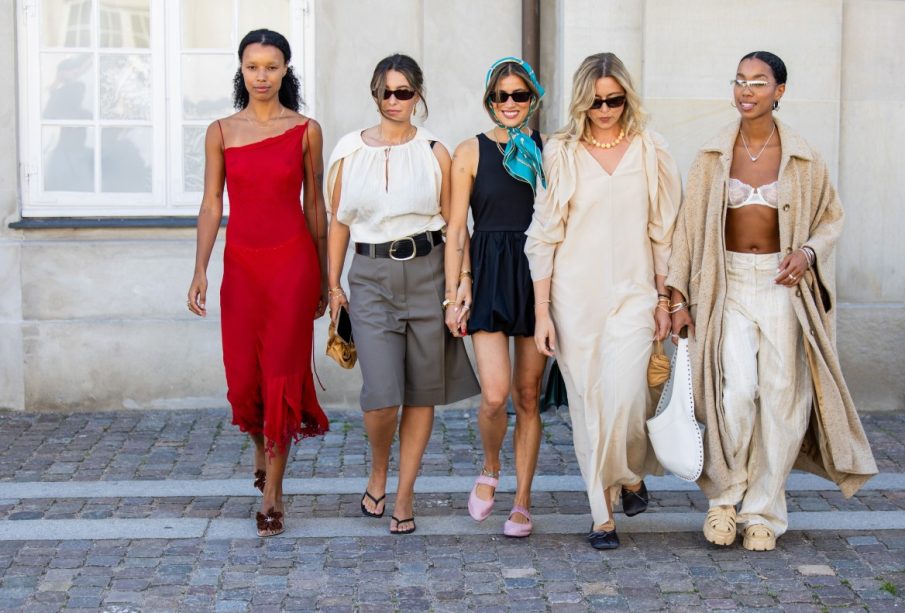
Fashion is not just about clothing; it is a living language that communicates identity, culture, and evolution. From ancient civilizations to today’s fast-paced world, fashion has been a mirror of societal values, political change, and human expression. It defines how people see themselves and how they want to be seen. In its truest form, fashion is a global dialogue—a conversation between creativity, craftsmanship, and culture.
The term fashion goes far beyond trends or seasonal collections. It represents an ecosystem that combines design, technology, economics, and psychology. Every outfit, fabric, and silhouette tells a story about innovation and individuality. Fashion’s influence stretches from runways to everyday life, shaping confidence, perception, and identity in subtle yet powerful ways.
The Historical Evolution of Fashion
Fashion has evolved over centuries through a series of cultural revolutions, political shifts, and artistic renaissances. Each era introduced new materials, aesthetics, and ideologies that shaped modern style as we know it.
From Function to Art
Early forms of clothing served practical purposes—protection from climate and environment. Over time, as societies developed, garments became symbols of power and class. Royals, nobles, and clergy used elaborate designs and rare fabrics to distinguish status.
- Ancient Egypt: Linen garments and jewelry symbolized purity and divinity.
- Medieval Europe: Ornate embroidery and silk indicated nobility.
- Renaissance Italy: Fashion became an art form, integrating color, structure, and storytelling.
- 20th Century Modernity: Designers began merging comfort with creativity, marking the rise of ready-to-wear culture.
Every historical phase contributed something vital—craftsmanship from the past, innovation from the present, and inspiration for the future.
The Psychology of Fashion
Fashion is deeply psychological. What people wear often influences their emotions, confidence, and even behavior. Studies in “enclothed cognition” suggest that attire impacts performance and perception. A well-tailored outfit can enhance self-assurance and authority, while color choices affect mood and energy.
Key Psychological Elements
- Self-Expression: Clothing communicates personal identity and lifestyle.
- Social Belonging: Fashion helps individuals align with groups or movements.
- Empowerment: Dressing intentionally boosts self-image and emotional strength.
- Creativity: Personal style allows freedom to explore aesthetics beyond convention.
Fashion is, therefore, not superficial—it’s psychological armor and artistic declaration combined.
The Role of Technology in Modern Fashion
Technology has revolutionized how fashion is designed, produced, and consumed. From digital fabric printing to virtual fashion shows, the integration of tech has created new opportunities for innovation and sustainability.
Technological Advancements Driving the Industry
- 3D Printing: Enables complex structures and customizable designs.
- AI and Machine Learning: Predicts trends and enhances personalization.
- Virtual Reality (VR) and Augmented Reality (AR): Allows virtual fittings and immersive shopping experiences.
- Blockchain: Ensures transparency and authenticity in supply chains.
- Sustainable Fabric Innovation: Materials like organic cotton, mushroom leather, and recycled polyester redefine eco-friendly design.
Technology has transformed fashion from an artistic craft into a data-driven global enterprise while preserving its creative essence.
Sustainable Fashion and Ethical Responsibility
One of the most profound shifts in recent years is the rise of sustainable fashion. Consumers today value transparency, environmental consciousness, and ethical practices. They demand responsibility not just in design but across the entire supply chain.
Pillars of Sustainable Fashion
- Eco-Friendly Materials: Using biodegradable or recycled fabrics.
- Fair Labor Practices: Ensuring safe working environments and fair wages.
- Circular Fashion: Promoting repair, resale, and recycling over waste.
- Slow Fashion Movement: Encouraging mindful consumption instead of mass production.
Sustainability is no longer a niche trend; it’s a necessity. The future of fashion depends on harmonizing creativity with conscience.
The Influence of Culture and Identity
Culture is at the core of fashion. Each region brings distinct textiles, silhouettes, and craftsmanship that enrich global diversity. From Indian handlooms to Japanese kimonos and African prints, traditional attire carries centuries of heritage.
How Culture Shapes Style
- Tradition Meets Modernity: Designers reinterpret cultural motifs for contemporary relevance.
- Gender Fluidity: Modern fashion celebrates expression beyond binary norms.
- Global Fusion: Cultural blending creates hybrid aesthetics reflecting interconnected societies.
- Artisan Revival: The appreciation of handmade techniques preserves craftsmanship and history.
Cultural fashion serves as both a preservation of heritage and a platform for innovation, connecting the past with the present.
The Business of Fashion: Economics and Globalization
Fashion is one of the largest industries worldwide, influencing economies and employment on a massive scale. It operates across design, production, retail, and digital markets, generating trillions in revenue annually.
Core Components of the Fashion Economy
- Design and Innovation: The creative nucleus of fashion houses and independent creators.
- Manufacturing: The backbone of production, often spanning multiple countries.
- Marketing and Retail: Storytelling through campaigns, visual merchandising, and e-commerce.
- Consumer Behavior: Data-driven insights guide what collections succeed.
Globalization has expanded access but also introduced challenges like overproduction and labor exploitation. Ethical business models are now key to ensuring longevity and trust.
The Power of Fashion Communication
Fashion communication blends creativity, media, and strategy to shape perception. It’s how ideas become movements and trends evolve into cultural statements.
Modern Forms of Fashion Communication
- Visual Storytelling: Photography and film bring designs to life.
- Social Media Influence: Platforms amplify visibility and connect designers with global audiences.
- Brand Narratives: Consumers now seek authenticity, not just aesthetics.
- Digital Runways and Influencer Marketing: Redefining exposure and accessibility.
The art of communication determines a brand’s resonance. In the digital age, storytelling is as vital as design itself.
Fashion as a Form of Innovation
Innovation in fashion doesn’t stop at technology or materials; it extends to business models, creativity, and purpose. Designers now experiment with digital garments, gender-neutral collections, and inclusive sizing.
Emerging Innovations in the Industry
- Metaverse Fashion: Virtual outfits are becoming digital assets for avatars.
- Inclusive Design: Expanding representation for all body types and backgrounds.
- On-Demand Production: Reduces waste and enhances personalization.
- Artistic Collaborations: Blending fashion with music, film, and digital art.
Fashion’s adaptability ensures it evolves alongside society’s changing values and technological progress.
The Role of Education and Research in Fashion Development
Behind every masterpiece lies research, experimentation, and skill. Fashion education trains designers not only to create but to think critically about culture, sustainability, and innovation.
Key Areas of Academic and Industry Focus
- Material Science: Developing sustainable and functional fabrics.
- Cultural Studies: Understanding global fashion history and anthropology.
- Trend Forecasting: Analyzing data to predict future consumer interests.
- Digital Design: Mastering tools that merge creativity with precision.
Research ensures that fashion continues to evolve intelligently and responsibly.
Fashion as Social and Political Expression
Fashion often reflects societal change. Throughout history, it has been a tool for activism and self-expression. Clothing choices can symbolize rebellion, unity, or transformation.
Examples of Fashion’s Political Power
- Women’s Liberation: Pantsuits and unisex clothing symbolized equality.
- Civil Rights Movement: Slogans and colors carried social messages.
- Body Positivity and Inclusivity: Celebrates diversity and challenges unrealistic beauty standards.
Fashion amplifies voices and communicates ideas that words sometimes cannot.
Real-Life FAQ
Why does fashion change so frequently?
Fashion evolves due to cultural shifts, technological progress, and consumer demand for novelty. Trends mirror what society values at a given time, constantly renewing themselves through reinterpretation.
What is the difference between style and fashion?
Fashion refers to industry trends and seasonal changes, while style is personal and timeless. A person’s style reflects individuality, not conformity.
How can consumers practice sustainable fashion?
Invest in quality over quantity, support ethical brands, and repurpose old clothing. Building a capsule wardrobe of versatile pieces reduces waste while maintaining elegance.
How is technology shaping the future of fashion?
AI, 3D printing, and digital fashion are redefining design and production. Virtual fitting rooms and online personalization enhance user experience while minimizing returns and waste.
Why is fashion important to culture?
Fashion preserves heritage and expresses identity. It translates traditions into wearable art, allowing communities to share their stories globally.
How do emotions influence fashion choices?
Clothing affects how people feel and act. A confident outfit can uplift mood, influence perception, and even enhance productivity.
Fashion remains one of the most powerful forms of human communication. It bridges art and function, history and innovation, individuality and unity. As it continues to evolve, fashion’s true essence lies not in trends, but in its ability to define who we are and what we believe in.