
Essential Tips for Choosing the Right Online Store
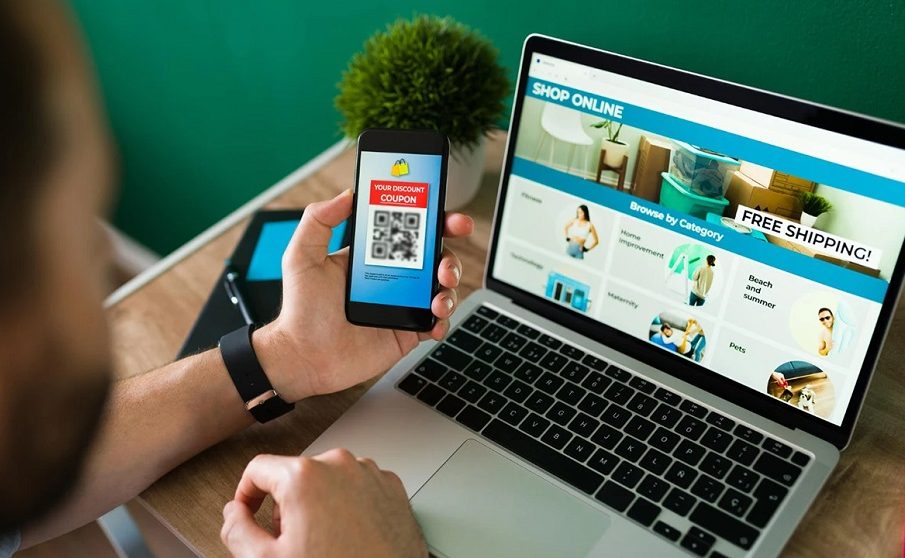
The digital marketplace offers unprecedented convenience. With a few taps on a smartphone or clicks on a desktop browser, consumers can order apparel, electronics, specialty groceries, and home goods from anywhere in the world and have them delivered directly to their doorstep. This rapid expansion of global electronic commerce has given buyers access to millions of independent storefronts, specialty boutiques, and international retail hubs.
However, this abundance introduces considerable consumer risk. Not every digital storefront operates with professional standards, honest fulfillment logistics, or adequate data security. Fraudulent websites, drop-shipping operators selling counterfeit items, and poorly maintained merchant portals put shoppers at risk of identity theft, unauthorized credit charges, and lost funds. Choosing the right online store requires looking past attractive promotional banners and evaluating merchant safety, logistical reliability, customer service responsiveness, and clear retail terms.
Verifying Technical Security and Website Authenticity
The primary consideration when evaluating an unfamiliar online merchant is data protection. Whenever you purchase an item online, you transmit sensitive personal details, including full names, physical residential addresses, phone numbers, and financial payment credentials. Entrusting that data to an insecure website creates severe privacy vulnerabilities.
A legitimate, secure digital storefront maintains verifiable security protocols across every page, not merely on the final checkout screen.
-
Secure Hypertext Transfer Protocol: Verify that the merchant address begins with https rather than http. The inclusion of the s indicates that an active Secure Sockets Layer or Transport Layer Security certificate encrypts communication between your browser and the web server, preventing unauthorized third parties from intercepting payment details in transit.
-
Domain Name Scrutiny: Examine the Uniform Resource Locator in the browser address bar with care. Deceptive operators frequently establish spoofed domains that mimic well-known brand names by adding minor spelling variations, hyphens, or unusual top-level domain extensions.
-
Comprehensive Privacy Documentation: Legitimate merchants maintain transparent privacy policies detailing how customer data is processed, stored, and protected, adhering to modern consumer protection standards.
-
Absence of Aggressive Script Warnings: Modern browsers issue explicit security warnings when encountering invalid digital certificates or malicious redirect scripts. Never bypass a security warning to complete an online purchase.
If a digital storefront fails to demonstrate standard technical protections, close the tab immediately. No product discount justifies exposing your payment credentials to unsecured databases.
Inspecting Payment Infrastructure and Financial Gateways
How an online store processes transactions reveals much about its operational legitimacy. Trustworthy merchants partner with established financial institutions, major credit networks, and verified digital payment processors to manage transactions safely.
Be cautious of websites that restrict payment methods to unconventional, non-reversible channels.
Legitimate businesses accept major credit cards and recognized digital wallets. Credit cards provide strong consumer protections under federal lending regulations, allowing buyers to dispute fraudulent transactions or charge back purchases if merchandise fails to arrive. Digital wallets and tokenized checkout platforms add an extra layer of defense by masking your actual credit card numbers through cryptographic tokens, ensuring the merchant never directly handles or stores your underlying banking details.
Conversely, treat any online store that insists on payment through peer-to-peer money transfers, direct wire services, gift cards, or cryptocurrency as an immediate hazard. These payment methods operate much like physical cash; once funds are sent, reversing the charge or recovering stolen money in the event of non-delivery is virtually impossible.
Auditing Independent Customer Reviews and External Reputation
Virtually every e-commerce website displays customer praise, glowing star ratings, and enthusiastic testimonials. However, promotional quotes published directly on a seller own landing pages should never serve as your sole source of validation. Dishonest operators can easily fabricate user testimonials, upload stock photos, or delete critical feedback from their internal review systems.
Gaining an accurate understanding of a retailer reliability requires checking independent, third-party sources.
-
Dedicated Consumer Review Platforms: Check established third-party review directories and business rating databases. These external platforms aggregate unfiltered feedback, highlighting recurring patterns of non-delivery, billing irregularities, or poor item quality.
-
Social Media Community Sentiment: Search for the merchant name on public forums and social networks. Unfiltered consumer discussions frequently reveal whether a brand ships defective merchandise or uses automated bots to ignore customer support inquiries.
-
Scam Verification Registries: Utilize independent domain analysis tools to review when the merchant domain was registered. Fraudulent storefronts are frequently launched weeks before major holiday sales and abandoned shortly after capturing customer funds. A website created only days or weeks prior warrants high caution.
-
Pattern Analysis Over Isolated Outliers: Every large retailer accumulates a handful of negative reviews due to transit delays or individual order errors. Focus on systemic patterns: if dozens of unrelated reviewers report missing packages, unauthorized credit renewals, or unfulfilled refunds, avoid the merchant.
Taking five minutes to cross-reference customer experiences on independent websites protects you from dishonest operators.
Evaluating Return Policies and Warranty Protections
A retailer character is demonstrated most clearly when an order goes wrong. Whether an item arrives damaged, does not fit, or fails to match published specifications, you need to know how the merchant handles returns, replacements, and refunds before placing an order.
Vague or missing return terms are major warning signs. Reliable online stores publish clear, fair return guidelines that outline timeframes, shipping obligations, and refund methods.
Return Windows and Restocking Costs
Examine the exact duration of the return window. Standard retail practices provide fourteen to thirty days from the delivery date for customers to inspect goods and request an exchange or refund. Check whether the seller assesses restocking fees, which can consume a significant percentage of your refund, or if they offer store credit in place of your original payment method.
Return Shipping Responsibilities
Determine who pays for return shipping postage. Some retailers provide prepaid return shipping labels, while others require customers to cover international freight costs, which can easily exceed the value of the original purchase. Additionally, verify whether the seller requires goods to be returned in unopened packaging, which makes returning defective electronics or trying on apparel difficult.
Verifying Transparent Physical Contact Details
Authentic commercial operations maintain real-world accountability. If a merchant experiences a supply chain delay, delivers broken merchandise, or overcharges your credit card, you need a reliable way to speak with a customer support representative.
Scam websites and low-grade drop-shipping platforms deliberately obscure their operational locations to avoid accountability.
-
Verifiable Physical Address: Look for a physical corporate street address on the contact or about page. Cross-reference that address on digital satellite mapping services to ensure it represents an actual office or distribution facility rather than a residential home or an empty lot.
-
Active Telephone Channels: Reliable businesses list working customer service phone numbers. Calling the number to see if it connects to an active corporate directory or customer representative helps verify legitimacy.
-
Real-Time Digital Support: Legitimate retailers provide monitored email ticketing queues or live chat systems staffed by human representatives, rather than looping bots that offer no actionable assistance.
-
Transparent Corporate Identity: Review the company history and leadership background. An established business shares its mission, founding timeline, and corporate entity registration openly.
If an e-commerce site provides only a generic web form with no phone numbers, direct email addresses, or physical location details, approach the store with caution.
Assessing Product Catalog Cohesion and Pricing Realism
The composition of an online store inventory provides strong clues about its business practices. Legitimate specialty retailers curate focused product catalogs centered around specific industries, hobbies, or categories. They invest in original, high-resolution photography, detailed technical specifications, accurate sizing charts, and comprehensive material descriptions.
In contrast, unreliable storefronts often display thousands of unrelated items, ranging from power tools and luxury handbags to pet supplies and high-end cameras, all sold on the same generic layout. These sites frequently scrape images and product descriptions directly from other manufacturers without permission.
Pricing realism is equally telling. While competitive pricing is standard in online commerce, prices that appear drastically below prevailing market rates should raise immediate red flags. If an unfamiliar website offers high-demand consumer electronics or designer apparel at seventy or eighty percent below standard retail prices, you are almost certainly looking at counterfeit goods, stolen inventory, or an outright scam designed to steal your credit card details. If a deal seems too good to be true, it almost always is.
Frequently Asked Questions
What should an individual do immediately if they realize they placed an order on a fraudulent website?
Contact your credit card issuer or banking institution immediately to report the transaction as fraudulent. Request that the bank cancel the compromised payment card and issue a replacement to prevent unauthorized recurring charges. If you created an account on the fraudulent store using a password shared across other websites, update those passwords elsewhere immediately and enable multi-factor authentication across your critical email and financial services.
How can a buyer determine if an online store is operating as an unvetted drop-shipper?
Drop-shipping stores typically feature stock photography copied directly from foreign wholesale directories, unusually long delivery estimates spanning three to six weeks, and generic product titles filled with search keywords. Additionally, reverse-searching product images on major search engines often reveals the exact same item listed on overseas wholesale websites for a fraction of the retailer price.
Why is paying with a credit card safer than using a debit card for online shopping?
Credit cards draw against a line of credit extended by the issuing financial institution, meaning your personal checking account funds remain untouched during an unauthorized transaction. Under federal consumer protection laws, cardholder liability for unauthorized charges is strictly limited, and disputed amounts are credited back during investigations. Debit cards, by contrast, pull cash directly from your checking account, leaving you without access to personal funds while the bank investigates the dispute.
How do seasonal shopping events like Black Friday impact the proliferation of fake e-commerce stores?
Cybercriminals capitalize on the high transaction volumes, emotional urgency, and search for deals during major holiday sales. Fraudulent operators launch lookalike websites that mimic major brand layouts, promoting steep discounts through sponsored search placements and social media advertisements. These fly-by-night operations collect payments for several weeks before shutting down without fulfilling orders, leaving buyers to dispute transactions after the holidays.
What are the main hazards associated with purchasing items from online storefronts operating overseas?
Cross-border purchases introduce several potential complications, including unexpected international customs duties, import tariffs, extended shipping delays, and limited consumer protection enforcement. Furthermore, if the product arrives damaged or defective, international return shipping expenses can prove cost-prohibitive, and local consumer protection agencies have little authority to resolve disputes with foreign merchants.
How does reading an online store terms of service prevent hidden subscription billing?
Deceptive merchants often bury recurring billing agreements, automatic renewal memberships, or monthly club fees within long terms of service checkmarks at checkout. By reviewing the checkout terms and reading the fine print around introductory prices or free trials, consumers can prevent unexpected recurring charges that continue long after the initial order arrives.
What indicators reveal that an online product review was artificially manufactured?
Manufactured reviews often appear in large clusters published on the exact same date, feature vague and repetitive praise lacking specific details about item functionality, and originate from accounts with no previous purchase history. Additionally, watch out for overly formal syntax, excessive use of brand slogans, or profiles that review identical products across competing brands within short timeframes.