The Enduring Craft of Jewelry: Art, Emotion, and Evolution
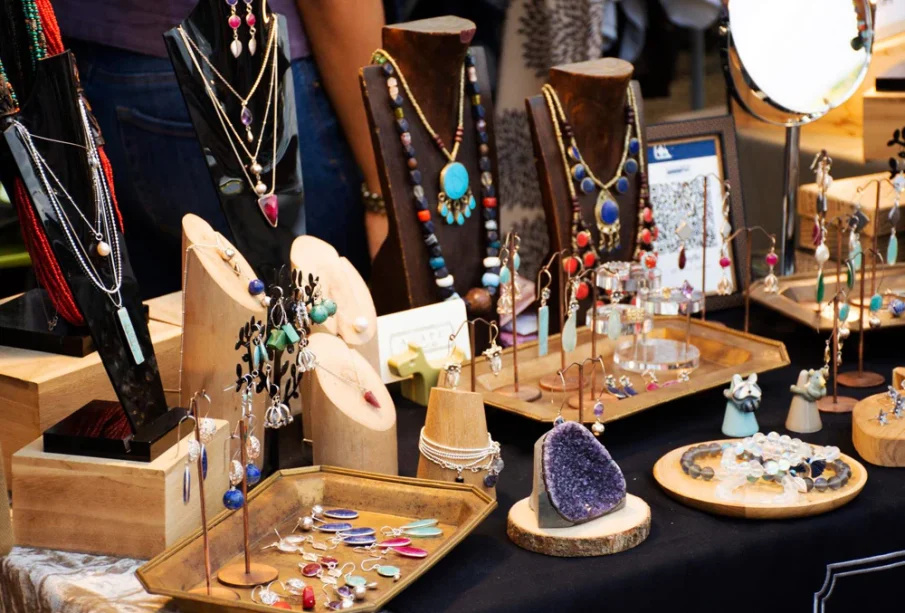
The Meaning and Essence of Jewelry
Jewelry has always been more than an accessory. It represents artistry, identity, and sentiment. Across history, jewelry has marked human milestones—love, victory, loss, and heritage. It carries the essence of personal stories, linking craftsmanship to culture. Whether a gemstone ring passed down through generations or a modern minimalist design, each piece of jewelry connects emotion with form.
The value of jewelry lies not only in material worth but in its ability to communicate emotion and meaning. It captures time—moments of joy, devotion, and individuality—transforming metal and stone into living art. Jewelry serves as both expression and preservation, embodying the human desire to create beauty and leave legacy.
The Historical Roots of Jewelry Craftsmanship
Jewelry-making is one of the oldest human crafts, dating back over 100,000 years. Early humans used shells, bones, and stones as decoration, believing they carried spiritual protection. Civilizations like Egypt, Greece, and India refined these early practices into structured art forms.
The Ancient World of Adornment
- Egyptian Civilization: Gold symbolized immortality and divine power. Jewelry was placed in tombs as protection in the afterlife.
- Greek and Roman Influence: Jewelry reflected wealth and sophistication. Gemstones such as garnet and emerald were believed to bring courage and fortune.
- Asian Traditions: Indian and Chinese artisans mastered intricate filigree and gemstone inlay techniques that are still admired today.
- African Craftsmanship: Tribal jewelry symbolized rank, spirituality, and unity, often crafted from natural materials.
Each ancient tradition left a legacy that shaped contemporary jewelry artistry. Techniques like metal casting, engraving, and enameling originated in these early civilizations and remain foundational to modern design.
The Art and Science of Gemstones
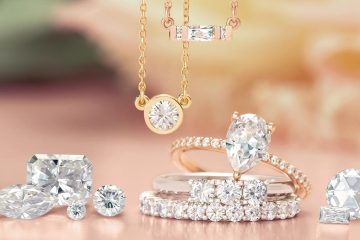
Gemstones are the heart of fine jewelry. Each stone tells its own story through color, clarity, and composition. From the fiery brilliance of diamonds to the deep mystique of sapphires, gemstones capture nature’s artistry in solid form.
Understanding Gemstone Characteristics
- Color: Determines visual appeal and often carries cultural meaning. For example, blue sapphires symbolize wisdom and serenity.
- Clarity: Internal inclusions are nature’s fingerprints, proving authenticity.
- Cut: A precise cut enhances light reflection and brilliance.
- Carat Weight: Influences rarity and value, but balance between size and quality is key.
Beyond aesthetics, gemstones have held symbolic and metaphysical significance throughout history. Emeralds were once believed to heal the heart, while amethysts represented clarity of mind. Today, these beliefs continue to inspire jewelry lovers who seek emotional or spiritual connection through their pieces.
The Craftsmanship Behind Fine Jewelry
The creation of jewelry requires a combination of artistic intuition and technical precision. Every stage—from design to polishing—demands mastery and patience. True craftsmanship ensures that a piece is not just beautiful but enduring.
The Jewelry Creation Process
- Design and Conceptualization: Artists sketch initial ideas, blending innovation with tradition.
- Material Selection: Metals like gold, platinum, and silver are chosen based on purpose and design.
- Wax Modeling or Digital Rendering: The design is shaped through wax carving or computer-aided modeling.
- Casting: Metal is melted and poured into molds to form the piece’s base structure.
- Stone Setting: Gemstones are meticulously secured using prong, bezel, or channel settings.
- Polishing and Finishing: Each surface is refined to highlight brilliance and texture.
This meticulous process reflects the soul of the craft. True artisans view jewelry-making as an act of devotion—balancing creativity, discipline, and precision.
Ethical Jewelry and Sustainable Design
Modern consumers are redefining luxury by emphasizing ethics and responsibility. The demand for sustainable jewelry has reshaped how designers source materials and craft their creations.
Core Principles of Ethical Jewelry
- Responsible Sourcing: Ensuring gemstones and metals come from conflict-free regions.
- Recycled Materials: Using recycled gold and silver to reduce mining impact.
- Fair Trade Practices: Supporting fair wages and safe conditions for miners and artisans.
- Transparency: Documenting the origin of every material used.
Sustainability in jewelry extends beyond production—it involves cultural preservation and environmental stewardship. Ethical jewelry empowers consumers to wear beauty that aligns with their values.
Jewelry as an Investment and Legacy
Fine jewelry holds enduring financial and emotional value. Unlike mass-produced accessories, handcrafted pieces can appreciate over time, making them both personal and strategic investments.
Reasons Jewelry Retains Value
- Intrinsic Worth: Gold and precious stones maintain market stability.
- Rarity: Unique designs and limited-edition pieces gain collectability.
- Cultural Significance: Family heirlooms acquire sentimental and historical worth.
- Wearable Art: Jewelry offers tangible enjoyment alongside investment potential.
When properly maintained and certified, high-quality jewelry becomes a timeless asset. Many collectors view their pieces as living portfolios—objects of beauty that tell stories across generations.
The Symbolism and Emotional Power of Jewelry
Every piece of jewelry carries meaning. Engagement rings celebrate love, pendants commemorate milestones, and bracelets symbolize friendship or protection. Jewelry connects emotion with memory, transforming occasions into lasting expressions of sentiment.
Symbolic Jewelry Examples
- Engagement Rings: Represent eternal commitment.
- Birthstone Jewelry: Connects individuals to their birth month’s unique energy.
- Cultural Motifs: Designs inspired by tradition, faith, or mythology.
- Protection Charms: Symbols like the evil eye or hamsa believed to ward off negativity.
This emotional depth makes jewelry more than decoration—it becomes part of identity and storytelling.
The Role of Technology in Jewelry Innovation
Technology has revolutionized jewelry design and production, enhancing creativity and precision while preserving craftsmanship.
Technological Advances in Jewelry
- 3D Printing: Enables detailed and customizable designs.
- Laser Engraving: Achieves intricate patterns and personalization.
- AI Design Tools: Predict trends and optimize materials.
- Augmented Reality (AR): Allows virtual try-ons, transforming the shopping experience.
Technology’s influence extends beyond creation to transparency. Blockchain ensures traceability of gems and metals, building consumer trust through verified authenticity.
The Cultural Diversity of Jewelry Traditions
Jewelry styles vary dramatically across cultures, each with unique symbolism and craftsmanship. This global diversity keeps the art form rich and evolving.
Notable Cultural Influences
- Indian Jewelry: Known for its grandeur and intricate goldwork.
- Italian Craftsmanship: Celebrated for refinement and elegance in design.
- Native American Silverwork: Embodies nature-inspired artistry and spiritual depth.
- Middle Eastern Designs: Combine bold geometry with ornate detailing.
The global language of jewelry lies in its ability to connect heritage with personal expression, uniting diverse aesthetics through universal admiration for beauty.
Modern Trends in Jewelry Design
Contemporary jewelry reflects the fusion of minimalism, sustainability, and individuality. Consumers are drawn to designs that carry meaning and align with their lifestyle.
Current Design Trends
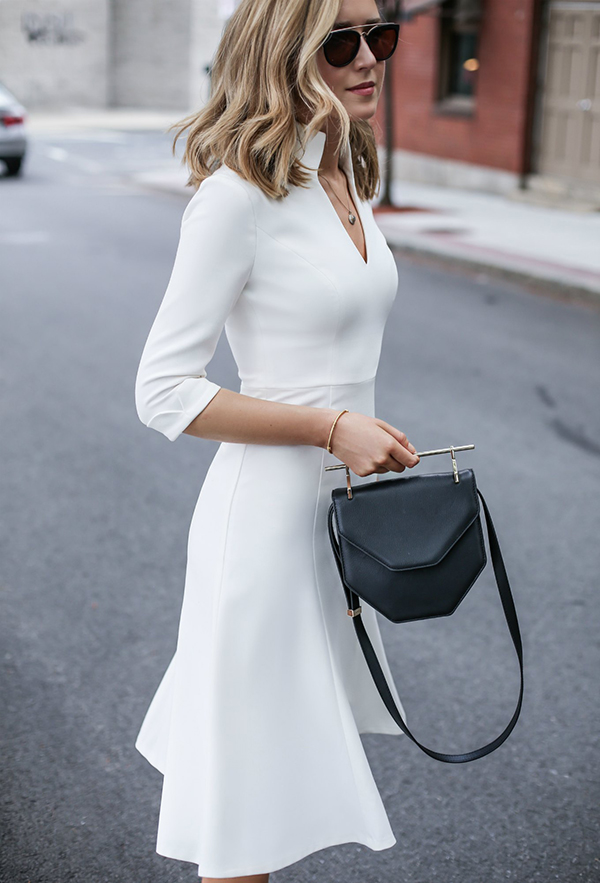
- Minimalist Elegance: Simple, sleek designs that emphasize subtlety.
- Gender-Neutral Jewelry: Versatile pieces that defy traditional boundaries.
- Layered Styling: Combining multiple necklaces or rings for a curated look.
- Natural Motifs: Floral, celestial, and oceanic themes inspired by nature.
- Vintage Revival: Modern reinterpretations of classic silhouettes.
Modern design prioritizes self-expression, ensuring every piece feels both personal and contemporary.
Caring for Fine Jewelry
Maintaining jewelry ensures its beauty and longevity. Proper care preserves the brilliance of metals and gemstones while preventing damage.
Essential Jewelry Care Tips
- Clean Regularly: Use mild soap and soft brushes for gentle cleaning.
- Avoid Chemicals: Keep jewelry away from perfumes, lotions, and cleaning agents.
- Store Properly: Separate pieces to avoid scratches.
- Inspect Frequently: Check for loose stones or worn prongs.
- Professional Servicing: Have valuable pieces polished and checked annually.
With mindful care, fine jewelry can last generations, maintaining both its appearance and sentimental value.
Real-Life FAQ
How can I tell if a gemstone is natural or synthetic?
Authentic gemstones have unique inclusions that synthetic stones lack. Professional certification from a gemological institute provides reliable verification.
Why does my gold jewelry lose its shine over time?
Exposure to moisture, chemicals, and daily wear can dull gold’s luster. Regular cleaning and polishing restore its brilliance.
What makes handmade jewelry more valuable?
Handcrafted jewelry showcases individuality and expert craftsmanship. Each piece is unique, offering artistic authenticity that mass-produced designs cannot replicate.
Is it worth investing in custom jewelry?
Yes, custom jewelry reflects personal taste and often appreciates in sentimental and financial value. It provides exclusivity and long-term satisfaction.
How do I choose the right metal for my jewelry?
Consider lifestyle and skin sensitivity. Gold offers warmth, platinum ensures durability, and silver provides versatility for everyday wear.
What is the future of sustainable jewelry?
The future will focus on lab-grown gemstones, recycled materials, and transparent sourcing, aligning luxury with responsibility.
Jewelry will always remain an enduring symbol of human creativity, craftsmanship, and emotion. It bridges past and future, blending artistry with purpose. Every piece tells a story—of beauty, heritage, and the timeless connection between the maker and the wearer.