The Evolution of Dress: A Deep Dive into Fashion, Function, and Identity

Understanding the Power of Dress
Dress is far more than fabric stitched together—it’s an expression of personality, culture, and status. The way people dress has evolved from simple necessity to a complex system of communication that conveys who we are, what we value, and how we wish to be perceived. In today’s world, where style influences social media presence, career success, and even self-confidence, understanding the dynamics of dress is essential.
The concept of dress goes beyond mere clothing. It encompasses the choices we make regarding color, texture, silhouette, and even accessories. These decisions collectively project a personal narrative, creating a form of nonverbal communication that can be understood across cultures. As fashion cycles continue to evolve, the dress remains an ever-relevant symbol of human creativity and identity.
Historical Roots of Dress
The earliest forms of dress were driven by necessity. Primitive humans used animal hides, leaves, and woven grasses to protect their bodies from harsh climates. However, as societies developed, dress began to symbolize much more than protection—it became a marker of tribe, religion, and social hierarchy.
In ancient Egypt, linen garments signified purity and status, with elaborate pleats representing craftsmanship and wealth. Greeks emphasized draped elegance with garments like the chiton, which symbolized grace and intellect. The Romans advanced tailoring techniques and incorporated dyes and accessories to differentiate classes. Across Asia, intricate embroidery and silk production reflected artistry and cultural pride, while in Africa, patterns and beadwork communicated lineage, power, and spirituality.
Over time, the dress evolved with every major historical event—industrialization introduced mass production, colonization influenced textile exchange, and the digital era reshaped how trends spread globally.
Dress as a Reflection of Identity
Clothing has always acted as a mirror to identity. Whether intentionally or subconsciously, what we wear reflects how we perceive ourselves and how we want to be perceived by others.
Psychological Influence
Studies in fashion psychology suggest that dress directly affects mood, behavior, and confidence—a phenomenon known as enclothed cognition. For example, wearing formal attire can enhance a sense of professionalism and authority, while casual clothing encourages comfort and creativity. The color palette chosen can signal emotions: red conveys power, blue evokes trust, and white represents purity and simplicity.
Cultural Significance
Every culture possesses unique dress traditions rooted in history and symbolism. From the Japanese kimono to the Indian sari, traditional dress reflects values, beliefs, and rituals. Even within modern fashion, cultural heritage continues to influence contemporary designs. Many global designers reinterpret traditional garments to celebrate identity while aligning with modern aesthetics.
Gender and Dress
Historically, gender roles have dictated dress codes. However, the 21st century has witnessed a shift toward gender-fluid fashion, challenging conventional norms. The blending of masculine and feminine silhouettes reflects a broader social movement toward inclusivity and freedom of expression. This evolution demonstrates how dress continually adapts to the changing social climate.
The Science and Art Behind Dress Design
Fashion design is both an artistic and scientific process. Behind every well-tailored dress lies an intricate combination of material science, pattern engineering, and aesthetic philosophy.
Fabric Selection and Innovation
The choice of fabric determines the texture, drape, and comfort of a dress. Natural fibers like cotton, silk, and wool offer breathability and sustainability, while synthetic fabrics such as polyester and nylon provide durability and elasticity. Modern innovation has led to the rise of smart textiles—materials embedded with sensors or responsive fibers that adapt to temperature, light, or movement. These innovations blend fashion with technology, redefining what a dress can be.
Silhouette and Structure
The silhouette is the foundation of dress design. From the hourglass shape of the 1950s to the minimalist lines of modern couture, each era favors specific forms that reflect cultural ideals of beauty. Designers manipulate structure using darts, seams, and pleats to achieve balance and proportion. A well-designed dress flatters the body while maintaining movement and comfort.
Sustainability and Ethical Fashion
As awareness grows around environmental issues, sustainability has become central to the evolution of dress. Ethical designers prioritize organic fabrics, zero-waste cutting techniques, and fair labor practices. Upcycling, rental fashion, and slow fashion movements are reshaping consumer behavior. In the USA, eco-conscious fashion is no longer a niche—it’s becoming a standard expectation.
Dress in the Modern Era: From Runways to Real Life
In today’s digital landscape, dress trends spread faster than ever before. Social media platforms, influencers, and virtual fashion shows dictate what’s considered stylish within seconds. Yet, authenticity remains key. People are increasingly seeking individuality, preferring timeless pieces over fleeting trends.
Personal Branding Through Dress
In professional environments, dress influences perception. A carefully curated wardrobe can enhance credibility and leadership presence. Entrepreneurs, executives, and public speakers often use signature styles—a specific color, cut, or accessory—to strengthen their personal brand. Similarly, creatives use dress as a visual extension of their artistic identity.
Street Style and Everyday Expression
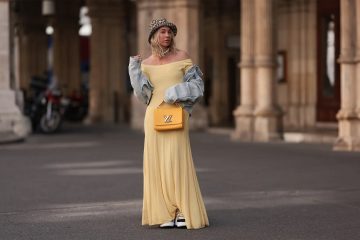
Street fashion has become a cultural phenomenon. It represents self-expression through comfort and creativity, blending high fashion with everyday wear. The fusion of sneakers with tailored suits or dresses paired with leather jackets reflects the balance between function and flair. Modern dress culture celebrates individuality, encouraging people to create unique fashion narratives.
The Dress as a Symbol of Empowerment
Dress has always been intertwined with empowerment. From the suffragette white dresses symbolizing equality to modern feminist fashion movements, clothing has often been used as a statement of strength and defiance.
Today, empowerment through dress manifests in inclusivity. Designers are creating collections that cater to diverse body types, abilities, and identities. The fashion industry is slowly embracing representation, ensuring everyone can see themselves reflected on runways and in retail spaces.
Future of Dress: Technology and Virtual Fashion
The future of dress lies at the intersection of innovation and sustainability. 3D printing, digital tailoring, and virtual try-on technology are revolutionizing how garments are designed, produced, and purchased.
- 3D Printing: Enables precision manufacturing and eliminates fabric waste.
- Digital Clothing: Virtual dresses are becoming popular for social media, allowing users to “wear” digital outfits without physical production.
- AI-Driven Design: Artificial intelligence analyzes consumer preferences and predicts trends, allowing designers to create data-informed collections that align with demand.
These advancements mark a new era in fashion where technology supports creativity while minimizing environmental impact.
The Psychological Connection Between Dress and Confidence
Dress impacts how people feel internally. Studies show that individuals who dress intentionally experience higher self-esteem and improved social interactions. Wearing clothes that fit well and align with one’s identity creates psychological harmony. This connection emphasizes the importance of investing in garments that not only look good but also make one feel confident.
Choosing the Right Dress for Every Occasion
Selecting the right dress requires understanding context, body shape, and personal comfort.
- Formal Events: Opt for tailored silhouettes, rich fabrics, and neutral or dark tones.
- Casual Gatherings: Choose breathable materials and playful colors that encourage ease.
- Professional Settings: Structured dresses in solid hues convey competence.
- Cultural Celebrations: Traditional or fusion attire adds authenticity and respect.
A versatile wardrobe balances these categories, ensuring readiness for any occasion while maintaining personal style.
FAQs
What does dress symbolize in modern society?
Dress symbolizes identity, confidence, and cultural belonging. It reflects personal values and plays a major role in shaping first impressions and social interactions.
How can someone develop a unique dressing style?
Start by understanding your body type, lifestyle, and preferred color palette. Mix classic staples with distinctive pieces that resonate with your personality. Over time, a signature style naturally emerges.
Is sustainable dress design more expensive?
While initial costs can be higher, sustainable garments often last longer and reduce the need for frequent replacements. They also support ethical labor and environmental preservation, making them a worthwhile investment.
What role will technology play in future dress design?
Technology will continue to drive innovation in dress design through virtual fitting, AI trend forecasting, and smart textiles that adapt to body movement and temperature.
How does dress influence mental health?
The connection between dress and self-image is profound. Wearing clothes that express authenticity enhances mood, self-esteem, and social confidence, contributing to better overall mental well-being.
Can traditional dress still be fashionable today?
Absolutely. Many designers reinterpret traditional garments with modern fabrics and cuts, allowing cultural attire to stay relevant while preserving its heritage.
This in-depth exploration of dress underscores how it transcends aesthetics to embody psychology, culture, and technology. As fashion continues to evolve, the dress will remain one of humanity’s most powerful forms of expression—blending art, identity, and innovation seamlessly into the fabric of everyday life.