Why Barefoot Shoes are Essential for Nurses and Healthcare Workers: The Ultimate Guide
Healthcare professionals spend countless hours on their feet, often in high-stress, fast-paced environments that demand physical endurance, mental clarity, and emotional resilience. Traditional footwear has long been accepted as standard in medical settings, but a growing movement toward more natural, foot-friendly options is shifting the narrative. Among these, barefoot shoes for nurses and healthcare workers are emerging as a game-changing solution that addresses comfort, performance, and long-term health.
This guide explores why minimalist shoes are gaining popularity among medical professionals, what sets them apart, and how they can positively influence not only physical well-being but also job performance and patient care.
Understanding the Unique Demands of Healthcare Work
The Toll Extensive Shifts Take on the Body
One of the most physically taxing professions is that of nurses and healthcare staff, often necessitating lengthy periods spent on their feet. Shifts commonly spanning 8 to 12 hours can lead to major physical strain. During these hours, nurses partake in a variety of duties involving walking, standing, bending, and lifting. This endless activity, exacerbated by the hurried nature of medical environments, places immense stress on the body, chiefly the lower extremities.
Sustained pressure of this kind may result in musculoskeletal disorders, chronic pain, and long-lasting injuries. Choosing proper footwear is not merely about comfort but about long-term health and occupational sustainability.
Adapting to Dynamic Working Environments
Nurses work across various spaces, from hectic hospital floors to quieter outpatient clinics and high-intensity operating theaters. Each setting presents different challenges. For instance, in surgical areas, shoes need strong slip resistance due to the possibility of fluid exposure. In emergency rooms, the ability to move quickly is essential, meaning agility and support become key. Workloads can fluctuate too, with evening shifts often seeing a heavier patient load, requiring more on-the-go movement than early morning shifts. Tailoring footwear to these distinct needs enhances both comfort and effectiveness on the job.
Importance of Foot Health for Nurses
Foot health plays a pivotal role in a nurse’s ability to function efficiently and without discomfort. Since the feet support the body’s entire weight, any form of foot discomfort can have immediate consequences for posture, gait, and overall physical condition. Unhealthy feet can trigger a domino effect that includes knee, hip, and lower back pain, all of which can severely impact performance and endurance during a shift.
Maintaining foot health is not merely about preventing discomfort; it’s a crucial step in safeguarding long-term physical well-being. Ensuring that the feet are supported by appropriate, flexible footwear — including barefoot shoes for nurses and healthcare workers — is a wise, forward-thinking investment for any healthcare professional.
What Makes Barefoot Shoes Different?
Exploring the Anatomy of a Barefoot Shoe
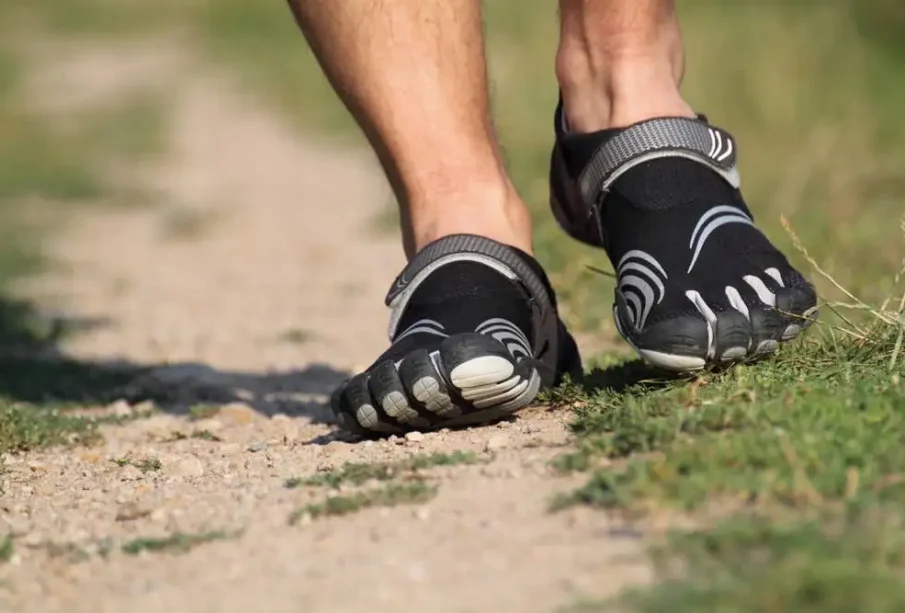
Barefoot shoes are designed to reflect the natural mechanics of the foot. They typically include a wide toe box that allows the toes to spread and align naturally, promoting balance and healthy toe function. The sole of the shoe is intentionally thin and flexible, minimizing cushioning and encouraging greater sensory feedback from the ground. Unlike traditional footwear, barefoot shoes avoid elevated heels or excessive arch support, both of which can alter the body’s natural alignment and walking pattern. The idea is to simulate walking barefoot while still offering protection from harsh surfaces and environmental hazards.
Benefits of Minimalist Shoes vs Traditional Footwear
Healthcare professionals who make the switch to minimalist shoes often report stronger foot muscles and improved balance. In contrast to conventional shoes, which can lead to dependency on artificial arch support, barefoot shoes allow the foot to build its own strength and resilience. Additionally, the minimal structure of the shoe enhances proprioception — the body’s ability to sense its position and movement in space — which is especially useful in fast-paced clinical environments. Nurses benefit from better grip and reduced risk of slipping, which contributes to both safety and confidence. Research also suggests that minimalist shoe users experience fewer overuse injuries, indicating the long-term health advantages of this footwear style.
How Barefoot Shoes Support Natural Movement Patterns
The core principle of barefoot footwear is to restore the body’s natural movement mechanics. Traditional shoes often redirect how the foot lands and how pressure is distributed, leading to compensatory movements that can result in chronic discomfort or injury. Barefoot shoes, with their zero-drop heels and flexible soles, encourage a walking style that more closely mimics being barefoot. This promotes a more efficient stride, allows the heel to lower naturally, and reduces joint stress by dispersing impact more evenly across the foot.
For healthcare professionals, who are constantly on their feet, restoring natural movement patterns means less physical strain over time. Improved gait mechanics can translate into greater comfort and endurance during long shifts, enabling them to better focus on patient care.
Choosing the Right Minimalist Shoes for Healthcare Professionals
Key Features for Evaluating Healthcare Footwear
When selecting barefoot shoes for use in medical environments, several features are essential. A spacious toe box is vital, allowing for the natural splay of the toes, which enhances balance and propulsion. Slip-resistant outsoles are non-negotiable in settings where liquids on the floor can pose hazards. The sole must also be flexible to support fluid foot motion, while lightweight construction reduces fatigue during extended periods of walking or standing. Breathability is crucial too; a well-ventilated shoe helps reduce sweating, odors, and the risk of bacterial buildup — all especially important in high-stress healthcare situations.
Trusted Brands for Medical Minimalism
Certain shoe brands have become popular within healthcare circles for their ability to balance minimalist design with professional functionality. Merrell, for example, offers shoes with strong skid-proof soles well-suited to hospital environments. VivoBarefoot is another favorite, known for its eco-friendly materials and anatomical design. Xero Shoes are lightweight yet durable, offering reliable grip and comfort over long shifts. Lems Shoes blend traditional aesthetics with barefoot functionality, while Feelgrounds provides sleek, easy-to-clean models that don’t sacrifice foot health. Each brand brings unique strengths that appeal to various preferences and needs within the healthcare community.
Customizing Fit: Insoles and Adjustments for Healthcare Workers
Even the best minimalist shoes may require some customization for a perfect fit. Healthcare professionals often benefit from using removable insoles tailored to their specific foot structure. These can enhance support while maintaining the natural feel of barefoot shoes. Swapping between different pairs of shoes can also extend their lifespan and help prevent the buildup of pressure points. Additionally, selecting a slightly larger size can accommodate foot swelling that may occur over the course of long shifts. By consistently monitoring the fit and comfort of their footwear, nurses can maintain better foot health and avoid common occupational injuries.
Real-World Reflections: Nurses Narrate Their Journey
Life-Changing Transformations from Suffering to Solace
Many nurses have shared powerful stories of relief and renewal after switching to barefoot footwear. One ICU nurse recalled dealing with constant heel pain from wearing rigid clogs for years. She believed the pain was something she’d have to endure for the rest of her career — until she tried minimalist shoes. The transformation was immediate. Within weeks, the discomfort vanished, and she found herself moving with renewed energy and enthusiasm. Another nurse practitioner echoed this sentiment, describing how her chronic foot fatigue disappeared entirely after making the switch, allowing her to concentrate more fully on her patients.
How Minimalist Footwear Maximized Job Efficiency
The impact of barefoot shoes extends beyond physical comfort — it also boosts performance. Nurses and medical staff have reported better reaction times and quicker mobility, particularly during emergencies when fast responses are essential. Improved ground feedback increases spatial awareness, making it easier to navigate crowded or slippery spaces. Freed from constant foot pain, these professionals can give their full attention to patient care. This not only leads to more efficient work but also fosters better interactions with patients and colleagues, enhancing the overall quality of care.
Building a Community: Connecting Through Common Ground
The journey to finding better footwear is often shared. Many nurses find themselves part of online communities and social circles dedicated to discussing barefoot shoes for nurses and healthcare workers. These platforms offer a space for exchanging advice, reviewing products, and celebrating personal breakthroughs in foot health. They serve as hubs of support and education, helping medical professionals transition more smoothly into minimalist footwear. For many, this sense of community becomes just as valuable as the shoes themselves, offering encouragement and shared wisdom rooted in collective experience.
Final Thoughts
Barefoot shoes are more than a footwear trend — they represent a mindful shift toward preserving physical health and occupational longevity in one of the world’s most demanding professions. With benefits ranging from better posture and reduced injury to greater comfort and community, barefoot shoes for nurses and healthcare workers are proving to be a critical investment.
For any nurse or healthcare worker struggling with foot pain, fatigue, or discomfort — the answer might just start from the ground up.