A Guide to Hair Extensions and Wigs for Stylish Seniors
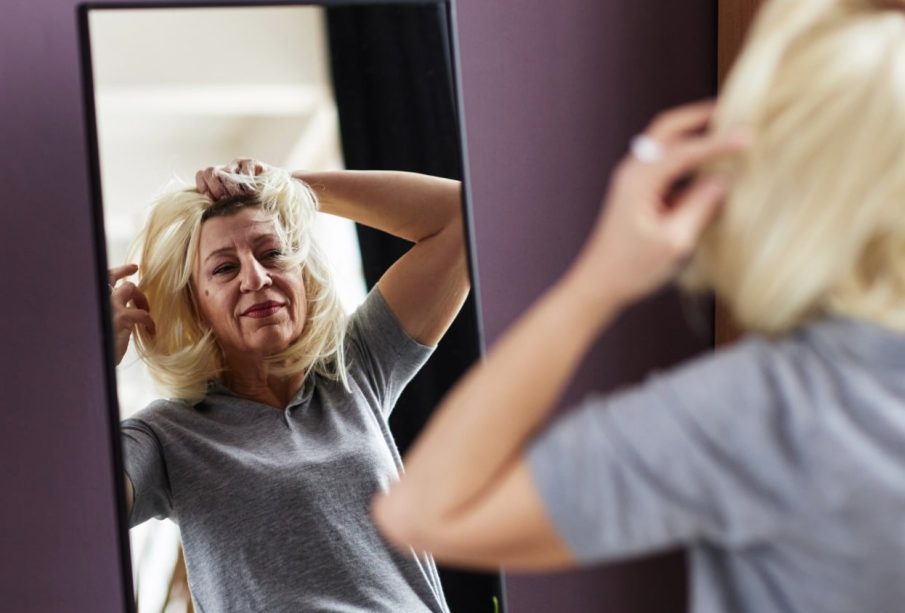
Aging often affects hair, leaving it lacking volume or shine, which might make some feel less confident about their appearance. The good news is that extensions and wigs present a great solution to boost self-esteem with incredible styles!
In energetic settings like senior living communities, trying these options can be exciting while also expressing uniqueness! This article will delve into the basics of picking out and styling perfect extensions and wigs, especially for seniors.
Choosing the Right Hair Extensions for Seniors
Hair extensions are a great way to add body and length if hair starts thinning. When picking out the best ones, consider weight, color compatibility, and comfort. Light choices like clip-ons or halo types can be kind on fragile hair strands while being easy to put on!
Elderly people should go for options made from real human hair because they blend right into natural locks, allowing heat styling, too! Getting advice from a hairstylist ensures that texture shading fits perfectly, resulting in looks that appear flattering and very natural.
Exploring Wigs for Versatility and Style
Wigs offer endless ways to switch up your style, from smart bobs to ringlets! For elderly people, it’s best if wigs are light and comfortable for all-day wear. Synthetic ones cost less while being easy-care, whereas real human hair options look more natural and offer lots of styling choices.
To make sure a wig fits securely, focus on how the cap is made—like lace-front types, which have a realistic-looking hairline! Regular care, including washing gently and storing correctly, will ensure that any wig keeps looking new and stays fashionable.
Tips for Comfortable Wear
Being comfy is crucial for anyone wearing a wig or extensions for long periods. Wearing caps under wigs can increase comfort while protecting natural locks. Wig straps that adjust might fit better, so there is less discomfort! Remember not to put on any hair extension too tightly, as it could pull and hurt the scalp.
Older people may try lightweight materials, even hypoallergenic, which help avoid skin issues. Taking regular breaks helps keep scalps healthy, ensuring they always feel good.
Styling and Personalization
Extensions and wigs are great spaces for expressing creativity. Older people can experiment with various styles, textures, or accessories that reflect their day’s mood! Using headbands, even some subtle highlights could make any look stand out more.
A hairstylist may help shape extensions to better fit facial features, giving off an elegant, personalized vibe. Trying on different hair accessories not only improves how overall looks turn out but also showcases uniqueness!
Conclusion
Extensions and wigs are practical yet fashionable ways for older people to regain their confidence while trying out different looks. Picking the best ones, focusing on comfort, and adding personal touches can make changing hairstyles an exciting, empowering activity!