The Next Generation of Beauty Innovation: What Industry Experts Are Watching

The global beauty landscape is undergoing a profound transformation that moves far beyond superficial aesthetics and fleeting cosmetic trends. For decades, product launches relied heavily on standard plant extracts, classic hydrators, and celebrity endorsements to capture market attention. Today, informed consumers demand verifiable efficacy, biochemical compatibility, and rigorous clinical validation.
Industry scientists, cosmetic chemists, and aesthetic dermatologists are now looking at the convergence of advanced biotechnology, cellular biology, computational modeling, and neuroscience. Rather than viewing skin care as an external mask or a temporary surface treatment, modern developers treat human skin as an active, interconnected biological ecosystem. The next generation of beauty innovation focuses on cellular longevity, intelligent delivery mechanisms, neuro-skin interactions, and bespoke formulations engineered to optimize tissue health from within.
Biotechnology and Lab-Cultivated Active Ingredients
Biotechnology has moved from an experimental niche into the primary engine of modern cosmetic formulation. Traditional sourcing methods that depend on agricultural harvesting or petrochemical synthesis face mounting ecological, ethical, and supply chain constraints. In contrast, bio-fermentation and cellular cultivation produce purer, more concentrated active compounds with minimal environmental disruption.
By utilizing programmed microorganisms, precision yeast strains, and microalgae, cosmetic chemists can synthesize bio-identical molecules that mirror the natural components of youthful skin.
-
Bio-Fermented Ceramides and Lipids: Lab-grown structural lipids replicate the exact stereochemistry of human epidermal barriers, accelerating barrier recovery and reducing trans-epidermal water loss far more effectively than standard synthetic emollient blends.
-
Cellular Nucleotides and DNA Repair Actives: Ingredients like polydeoxyribonucleotide (PDRN) and specialized nucleotide complexes are formulated to stimulate cellular regeneration, enhance wound healing pathways, and support intrinsic DNA repair mechanisms after ultraviolet exposure.
-
Precision Engineered Peptides: Formulators use computational biology to design targeted peptide sequences that act as molecular keys, unlocking specific cell receptors to stimulate native collagen production without causing inflammatory side effects.
-
Sustainable Microalgae Bio-Actives: Cultivated in closed-loop bioreactors, specialized microalgae produce potent carotenoids and protective polysaccharides that shield dermal layers against oxidative stress and environmental pollution.
These bio-manufactured actives eliminate the seasonal inconsistencies and pesticide contaminants often found in traditional agricultural sourcing, providing brands with reliable, pharmaceutical-grade purity.
The Evolution of Skin Longevity and Cellular Reprogramming
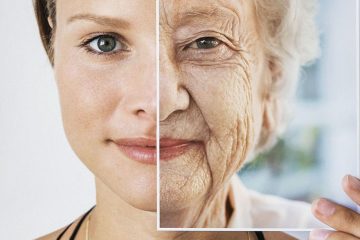
The cosmetic industry is retiring the term anti-aging in favor of skin longevity. While traditional anti-aging marketing focused on erasing visible surface wrinkles after structural degradation had already occurred, longevity research treats aging as a systemic cellular process that can be slowed, managed, and reversed at a biological level.
Experts are prioritizing the hallmarks of skin aging, specifically focusing on mitochondrial vitality, cellular senescence, and telomere integrity.
Targeting Zombie Cells Through Senolytics
Over time, environmental stressors and oxidative damage cause damaged cells to enter a state of permanent arrest known as cellular senescence. Instead of dying naturally, these senescent or zombie cells linger in the dermis, secreting inflammatory cytokines and degradative enzymes that destroy adjacent healthy collagen fibers. Formulators are developing topical senolytic compounds derived from plant flavonoids and synthetic analogues designed to clear or deactivate senescent cells, reducing chronic low-grade inflammation and rejuvenating the extracellular matrix.
Mitochondrial Renewal and Energy Restoration
Mitochondria are the power generators of skin cells, converting nutrients into adenosine triphosphate to fuel cellular repair. As skin cells age, mitochondrial output drops, leaving cells energy-starved and unable to repair daily damage. Longevity formulations are integrating coenzymes such as nicotinamide adenine dinucleotide (NAD+) precursors, spermidine, and specialized resveratrol derivatives to stimulate mitochondrial biogenesis, restoring the metabolic efficiency of younger skin tissue.
Neurocosmetics and the Mind-Skin Connection
One of the most compelling frontiers capturing industry attention is neurocosmetics. Human skin and the central nervous system develop from the very same embryonic tissue layer, the ectoderm. As a result, skin contains an extensive network of sensory neurons and receptors that continuously communicate with the brain.
Chronic psychological stress triggers systemic cortisol spikes and neuro-inflammatory cascades that manifest externally as rosacea flare-ups, compromised moisture barriers, accelerated collagen breakdown, and heightened sensitivity.
-
Sensory Modulating Peptides: Specialized topical actives interact with dermal neurotransmitter receptors, helping to downregulate substance P and other neuro-inflammatory signals that trigger redness, burning sensations, and chronic irritation.
-
Cortisol-Inhibiting Actives: Plant-based adaptogens and bio-ferments help inhibit the local production of cortisol within keratinocytes, preventing stress-induced barrier dysfunction and maintaining skin elasticity during periods of high mental stress.
-
Oxytocin and Endorphin Stimulators: Advanced cosmetic emulsions are formulated with haptic sensorial textures and mood-supportive aromas that trigger positive emotional feedback loops, stimulating local cutaneous endorphin production to improve natural radiance and skin tone.
-
Circadian Rhythm Alignment: Next-generation night creams utilize chronobiological chronopeptides that synchronize skin cell repair genes with natural sleep cycles, ensuring optimal nighttime regenerative cellular turnover.
By addressing the neurosensory feedback loop between the brain and the skin, neurocosmetics deliver visible dermatological improvements while enhancing the emotional well-being of the user.
Advanced Delivery Architectures: Overcoming the Stratum Corneum
Formulating a potent active ingredient is entirely pointless if the molecule cannot penetrate the primary defense mechanism of the human body: the stratum corneum. The outer skin barrier is an evolutionary masterpiece designed to keep external chemicals out. Historically, active ingredients simply sat on the surface of the skin, oxidizing or washing away before reaching the living cellular layers beneath.
Industry innovators are developing delivery architectures that protect unstable molecules and shuttle them deep into targeted dermal layers.
Exosome-Based Transportation Systems
Plant-derived and bio-engineered exosomes represent a breakthrough in active ingredient transportation. These nano-sized extracellular vesicles carry complex cargos of proteins, lipids, and genetic signaling messengers, merging seamlessly with cell membranes to release therapeutic payloads directly inside targeted skin cells.
Lipid Nanoparticles and Polymeric Microcapsules
Delicate compounds like pure retinol, ascorbic acid, and unstable antioxidants degrade rapidly when exposed to air, light, or water within standard jar containers. Encapsulating these fragile actives in multi-layered lipid nanoparticles or biocompatible polymeric spheres preserves molecular integrity until application. Once applied to the skin, body temperature and enzymatic activity dissolve the outer capsules gradually, releasing active ingredients evenly over twelve to twenty-four hours to maximize results while eliminating irritation.
Next-Generation Postbiotics and Microbiome Engineering
The skin microbiome is home to trillions of diverse bacteria, fungi, and viruses that act as the first line of physical defense against external pathogens. Early consumer trends focused on basic probiotic additions, which often proved ineffective because live bacterial cultures cannot easily survive standard cosmetic preservation systems.
Modern formulation science has progressed to targeted postbiotic and pre-targeted nutrient complexes.
Rather than trying to keep living bacteria alive inside a shelf-stable bottle, chemists utilize postbiotics: the purified non-viable metabolic byproducts, peptides, cell wall fractions, and enzymes generated by beneficial microorganisms during controlled fermentation. These stable postbiotic complexes feed and balance native protective flora while breaking down harmful pathogenic biofilms, calming conditions like persistent acne, perioral dermatitis, and atopic eczema without disrupting delicate cutaneous ecosystems.
Artificial Intelligence in Formulation Design and Personalization
Artificial intelligence has established a central role inside cosmetic research laboratories and retail customization suites. Developing an effective skincare emulsion traditionally required months of trial-and-error bench testing to assess ingredient compatibility, phase stability, and preservation efficacy.
Modern computational chemistry algorithms analyze thousands of molecular interactions within minutes. AI models predict ingredient synergies, identifying the exact ratios of peptides, lipids, and antioxidants required to achieve peak efficacy without triggering destabilization or chemical crystallization.
Simultaneously, computer vision systems and mobile biometric diagnostics enable hyper-personalized consumer customization. Customers can scan their complexions using smartphone cameras to assess localized moisture variations, vascular redness, deep pigmentation patterns, and pore congestion. Software platforms translate those diagnostic findings into unique, on-demand formulations manufactured in real time, delivering customized skincare tailored to an individual personal biology, local humidity levels, and daily ultraviolet exposure.
Frequently Asked Questions
What is the practical difference between clean beauty and modern biotechnology in cosmetics?
Clean beauty was largely a consumer-driven movement focused on excluding controversial ingredients, though it often lacked standardized regulatory definitions and relied heavily on resource-intensive agricultural harvesting. Modern biotechnology represents a rigorous scientific framework that utilizes lab-grown bio-fermentation to manufacture pure, highly targeted active ingredients. Biotech delivers clinical efficacy, verified molecular safety, and environmental sustainability while reducing the land and water use associated with conventional plant farming.
How do plant-derived exosomes differ from human or animal-derived versions in skincare?
Plant-derived exosomes, extracted from sources such as fruits, herbs, and cellular plant cultures, offer safe, stable delivery vesicles that carry antioxidant-rich molecular messages without the regulatory hurdles, ethical concerns, or potential viral transmission risks linked to human or animal tissue sources. They offer cellular compatibility and high stability, making them accessible for mainstream cosmetic formulations.
Why is the cosmetic industry transitioning away from anti-aging terminology?
The shift away from anti-aging language reflects evolving consumer attitudes and clinical understanding. Modern consumers view aging as a natural biological progression to be supported rather than an aesthetic flaw to be resisted. Dermatologists and researchers focus on skin longevity, which prioritizes sustained cellular health, barrier strength, immune competence, and cellular vitality across an entire lifespan, rather than simply pursuing superficial wrinkle reduction.
Can neurocosmetics genuinely reduce visible signs of physical skin aging?
Yes, neurocosmetics provide verifiable clinical benefits by interrupting stress-induced biological degradation. When mental stress elevates cortisol and releases substance P in the skin, it triggers inflammation, impairs cellular barrier repair, and accelerates enzymatic breakdown of collagen. By incorporating topical actives that calm local nerve sensitivity and downregulate stress receptor signaling, neurocosmetics protect the extracellular matrix from stress-induced premature aging.
How do postbiotic ingredients survive commercial product preservation systems?
Unlike live probiotic bacteria, which are killed by the preservatives required to prevent mold and bacterial growth in cosmetic jars, postbiotics are non-living biological byproducts. They consist of purified lysates, structural peptides, lactic acid, and enzymes produced during bio-fermentation. Because they are not living organisms, postbiotics remain stable and biologically active in preserved formulations over standard multi-year shelf lives.
What environmental advantages do lab-cultivated beauty ingredients offer over traditional botanicals?
Lab-cultivated ingredients are produced within closed-loop bioreactors that consume minimal land, generate zero agricultural runoff, and use up to ninety percent less freshwater than traditional crop farming. Furthermore, bioreactors operate independently of unpredictable weather events, droughts, and seasonal shifts, eliminating the carbon emissions and shipping logistics tied to transporting raw agricultural harvests across continents.
How does the skin microbiome affect the performance of active ingredients like retinoids?
A balanced skin microbiome reinforces the protective acid mantle and produces essential short-chain fatty acids that keep the skin barrier calm and resilient. When the microbiome is depleted or dysregulated, the barrier becomes compromised, making the skin vulnerable to severe flaking, redness, and inflammation when introduced to powerful cell-turnover actives like retinoids. Supporting the microbiome ensures that skin can tolerate potent dermatological actives without adverse reactions.