Hidden Boutique Gems Every Fashion Lover Should Discover
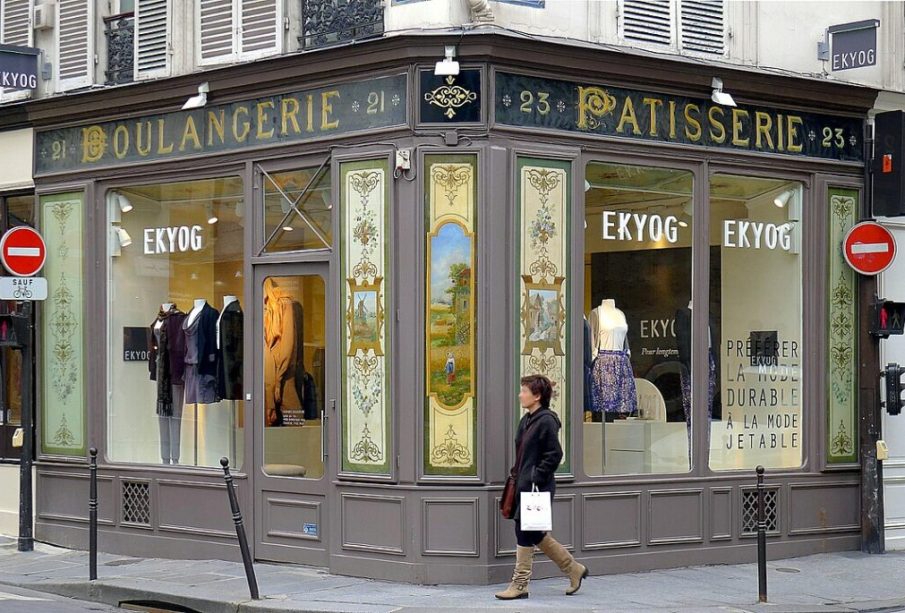
The modern retail landscape often feels remarkably uniform. Walking through a premier shopping district in nearly any major city presents a familiar lineup of global luxury conglomerates, fast fashion flagships, and identical department store displays. Algorithms on social media platforms push the same trending silhouettes into millions of feeds, creating a repetitive visual cycle where individuality takes a back seat to mass production. For true fashion enthusiasts, this commercial sameness strips the romance, surprise, and personal discovery away from the shopping experience.
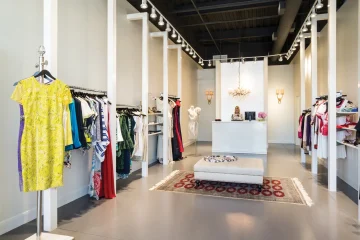
Hidden boutique gems provide a vital antidote to this uniformity. Tucked away on quiet side streets, housed in historic residential brownstones, or operating as discreet second-story ateliers, independent boutiques preserve the art of curated fashion. These independent spaces do not chase fleeting micro-trends or purchase inventory purely based on predictive sales data. Instead, they operate as intimate galleries led by passionate curators who champion emerging artisans, rare archival textiles, and unique tailoring. Discovering these hidden retail sanctuaries allows personal style to become an authentic form of self-expression once again.
The Art of Thoughtful Curation Versus Algorithmic Merchandising
Mass-market retailers organize their storefronts around inventory turnover, rapid floor changes, and high sales volume. Every display is calculated to encourage impulse purchases, leading to racks packed with identical polyester garments produced across industrial supply chains. In contrast, stepping into a hidden independent boutique feels like stepping into a personal wardrobe assembled by an expert stylist.
Boutique proprietors treat merchandising as an editorial exercise rather than a logistics problem.
-
Support for Independent Designers: Hidden shops regularly serve as the earliest launchpads for boundary-pushing independent creators who lack the capital to meet the inventory demands of multinational department stores.
-
Limited Edition and Small-Batch Production: Independent stockists typically buy only a few pieces per size or design. When you purchase an item from a boutique rack, the likelihood of seeing someone else wearing the exact same piece is remarkably low.
-
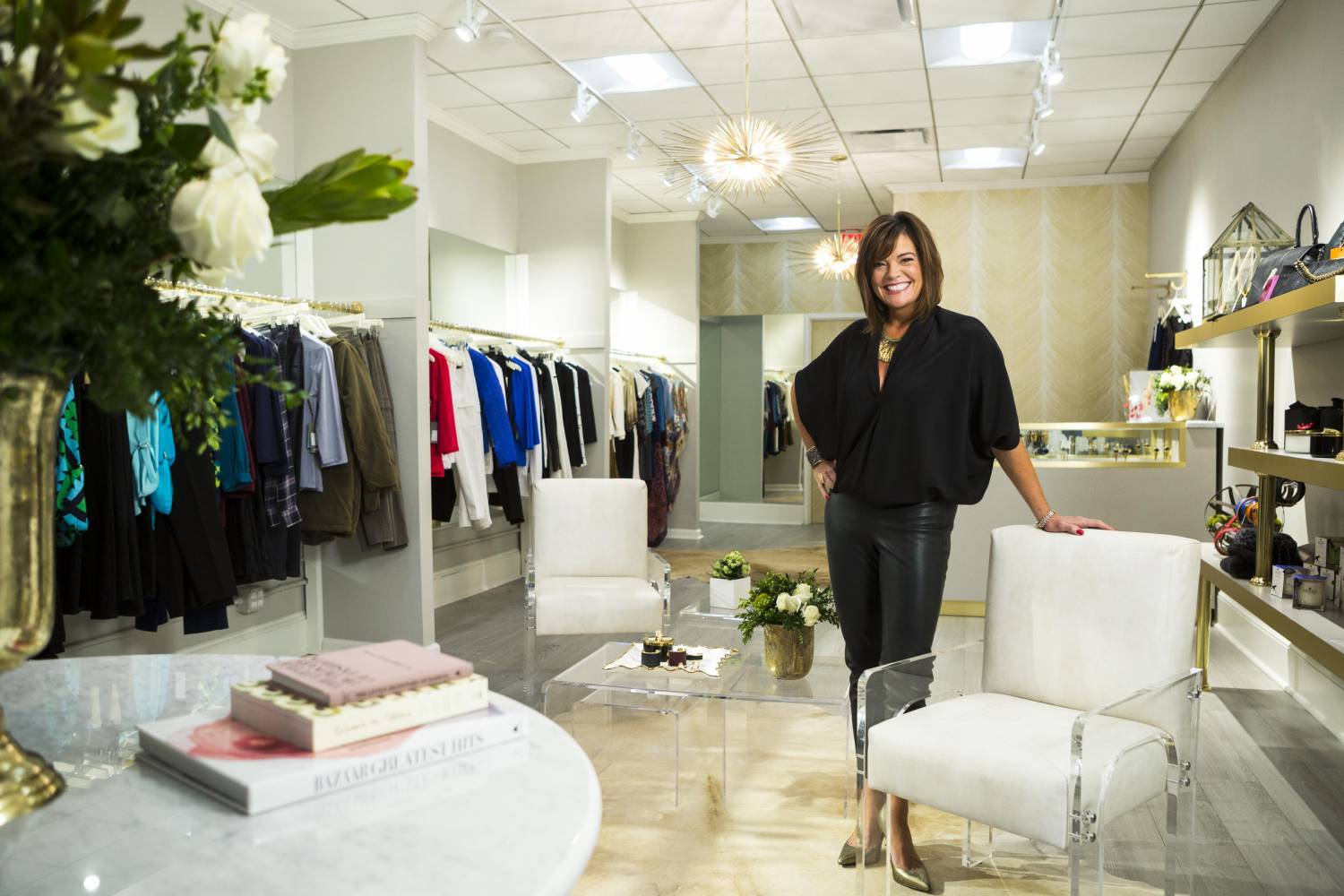
Distinct Architectural Atmosphere: Independent boutiques are often housed in character-rich spaces, incorporating vintage furniture, curated art, customized scent profiles, and architectural details that reflect the owner aesthetic viewpoint.
-
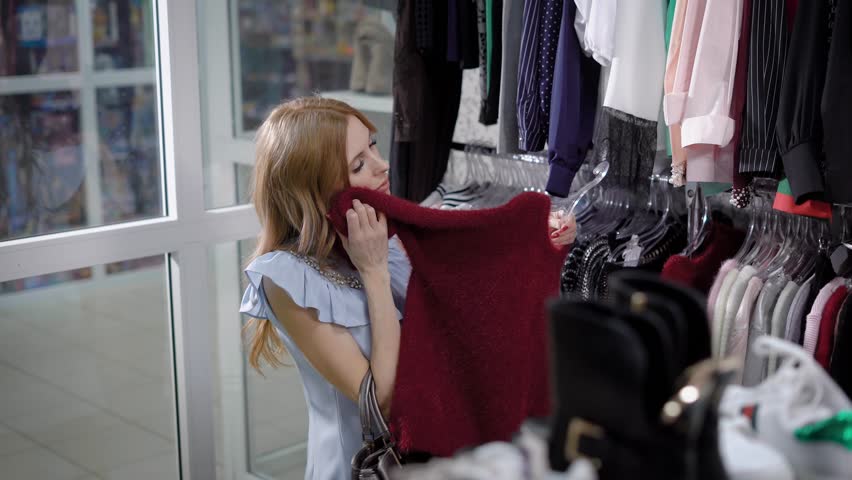
Commitment to Exceptional Craftsmanship: Independent curators inspect garments for French seams, hand-sewn linings, genuine horn or mother-of-pearl buttons, and durable natural fibers, prioritizing longevity over rapid planned obsolescence.
This level of discernment ensures that every rack contains garments with distinct personality, clear structural integrity, and enduring design merit.
Rare Vintage Salons and Archival Destinations
Not every hidden boutique focuses exclusively on contemporary collections. A significant sector of the independent retail ecosystem is dedicated to preserving historical fashion through high-end vintage salons and archival showrooms. These spaces operate far above standard thrift outlets, functioning more like living textile museums where visitors can acquire museum-quality wearable art.
Many of these destinations operate behind nondescript doorways, requiring appointments or personal referrals to browse. Inside, collectors discover meticulously preserved pieces from foundational runway shows, rare mid-century couture, and bespoke tailoring from fashion houses that closed decades ago.
Curators of archival salons spend years cultivating networks of estate liquidators, retired runway models, and private collectors. They understand the provenance of every garment in their inventory, explaining which master tailor cut the lapel, what variety of silk was woven for the lining, and which specific fashion era inspired the construction. Purchasing an archival piece gives you a durable historical asset that retains, and often increases, its monetary and aesthetic value over time.
Discovering Niche Regional Craftsmanship and Global Artisans
The globalization of fashion has made generic luxury goods accessible almost anywhere, but it has simultaneously disconnected shoppers from authentic regional craft traditions. The most rewarding hidden boutiques serve as cultural bridges, bringing specialized, hyper-local artistry from around the world into focused retail spaces.
-
Ceramic and Metalwork Jewelry: Independent boutiques often showcase jewelers who work with lost-wax casting, hand-hammered metals, and untreated, ethically sourced gemstones, providing distinctive alternatives to standard commercial fine jewelry.
-
Heritage Loom Weaving: Forward-thinking stockists partner with weaving collectives specializing in handspun linen, Donegal tweeds, Japanese shuttle-loom denim, or hand-loomed raw silks that factory looms cannot replicate.
-
Vegetable-Tanned Leather Goods: Hidden accessory shops often feature independent leatherworkers who construct structured bags and belts using natural plant tannins, creating heirloom-quality leather that develops a rich patina over decades of use.
-
Botanical Dyeing Techniques: Creative independent designers utilize indigo vats, madder root, walnut husks, and floral extracts to produce rich, living colors that shift gently in tone across natural fiber textiles.
Connecting with these regional crafts through independent boutiques keeps specialized heritage methods alive while infusing your wardrobe with authentic cultural history.
The Luxury of High-Touch Hospitality and Personal Styling
Shopping within massive retail conglomerates has become increasingly mechanical. Self-checkout kiosks, distracted sales associates juggling inventory scanners, and noisy crowds turn apparel shopping into a transactional chore. Hidden boutiques bring back the classic luxury of attentive, personal customer service.
When you walk into a quiet neighborhood boutique, you are frequently greeted directly by the proprietor, head buyer, or lead designer. These professionals do not view visitors through the lens of a quick transaction; they seek to build lasting relationships with patrons who share their passion for design.
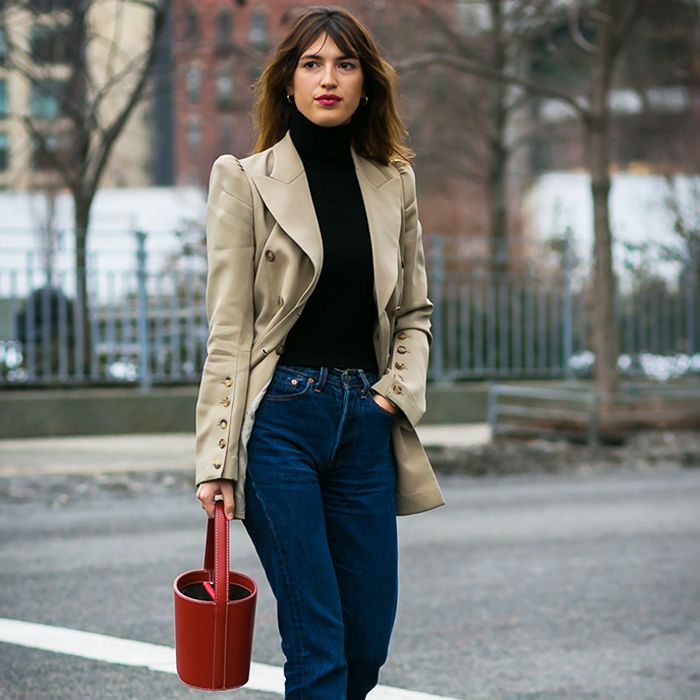
An experienced boutique owner takes time to understand your lifestyle, your comfort with various silhouettes, your body proportions, and your existing wardrobe gaps. They will suggest pairing a wide-leg linen trouser with an asymmetrical structured blazer you might have ignored on the hanger, demonstrating how proper styling unlocks the potential of a garment.
Many independent boutiques also maintain relationships with expert tailors who provide on-site alterations, adjusting hem lengths, taking in waistbands, and balancing shoulder seams to ensure every piece fits with bespoke precision.
How to Seek Out and Uncover Hidden Boutiques
Because the best boutiques rarely spend large sums on highway billboards or paid digital ad campaigns, finding them requires curiosity, observational patience, and thoughtful travel habits. They thrive largely on word-of-mouth recommendations, architectural discretion, and quiet cultural credibility.
To find these retail gems, step off primary commercial avenues and explore secondary residential streets, artistic enclave neighborhoods, and historic industrial warehouse zones. Look for modest signage, hand-lettered gold leaf on glass windows, or subtle entrances tucked behind courtyard gardens.
Engage in genuine conversations with local creative professionals. Ask independent coffee roasters, art gallery curators, independent bookshop clerks, and local ceramicists where they shop for clothing and accessories. Creative communities are deeply interconnected, and artists invariably know which local boutiques share their dedication to craftsmanship.
Additionally, exploring regional independent fashion publications, design school graduate showcases, and specialized design blogs will uncover retail sanctuaries well before they reach mainstream awareness.
Cultivating a Timeless and Authentic Wardrobe
In a consumer culture that urges shoppers to buy disposable trends every week, choosing to patronize hidden boutiques is an intentional stylistic choice. It represents a deliberate decision to step away from the cycle of rapid consumerism and embrace a wardrobe built on intention, quality, and individuality.
Clothing is the visual language through which we introduce ourselves to the world without speaking. Filling a closet with rare, well-made garments sourced from independent artisans and passionate curators allows your personal style to tell a unique story.
The pieces you uncover in hidden boutiques become far more than functional garments hanging on a rack. They carry memories of discovery, conversations with passionate creators, and the undeniable quality of honest human artistry.
Frequently Asked Questions
Why do some exclusive hidden boutiques operate on an appointment-only schedule?
Operating by appointment allows boutique proprietors to provide an attentive, private styling session tailored entirely to an individual client without the distractions of unpredictable foot traffic. This model also helps small businesses keep overhead staffing costs manageable while ensuring that high-end, delicate archival garments and limited-run samples are handled with care under direct supervision.
How do prices at independent hidden boutiques compare to luxury department stores?
While hidden boutiques are rarely inexpensive, their pricing generally reflects superior material value compared to major luxury labels. Luxury conglomerates charge steep markups to cover international marketing campaigns, celebrity endorsements, and prime high-street commercial rents. Independent boutiques price their inventory based directly on high-grade natural materials, fair artisan wages, and low-yield production runs, meaning a greater percentage of your money goes directly into the physical quality and labor of the garment.
What should a shopper look for to determine the true construction quality of an unfamiliar boutique brand?
Examine the interior construction of the garment rather than focusing solely on the exterior fabric. High quality reveals itself through clean internal finishing such as bound or French seams without loose, frayed threads. Check that patterns, stripes, and plaids align symmetrically across pocket flaps and side seams. Additionally, inspect buttonholes for tight, reinforced stitching and check that functional buttons are made from durable natural materials like horn, corozo nut, or shell rather than brittle molded plastic.
Is it appropriate to negotiate prices when shopping at an independent boutique?
In most contemporary independent boutiques, asking for arbitrary discounts on current, full-price inventory is considered poor etiquette because profit margins are carefully calibrated to support designers and operational overhead. However, if an item is an older showroom sample, displays a slight repairable flaw like a missing closure, or if you are purchasing several high-value archival vintage pieces simultaneously, asking politely if the shop offers bundle adjustments is acceptable.
How can a traveler find authentic local boutiques rather than tourist-focused souvenir shops in a new city?
Avoid retail corridors located immediately adjacent to major historic landmarks, cruise ship terminals, and central transportation hubs, as these areas cater primarily to transient tourists. Instead, take public transit to neighborhood design districts, historic immigrant quarters, and artistic warehouse centers. Consulting neighborhood cultural newspapers or reaching out to local independent artists on social platforms will guide you toward authentic shops patronized by resident creative professionals.
What return and exchange policies are typical for small, independent fashion boutiques?
Because independent boutiques operate with limited inventories and high seasonal turnover, their return policies are often stricter than those of multinational e-commerce platforms. Many small boutiques offer exchanges or store credit within seven to fourteen days rather than issuing full cash refunds, and rare vintage or customized garments are commonly designated as final sale. Always inquire about store policies at the register before finalizing a purchase.
How does purchasing from independent boutiques support the broader slow fashion movement?
Independent boutiques align with the slow fashion ethos by operating entirely outside the rapid weekly production cycles that fuel global textile waste. By curating small-batch productions, championing organic and biodegradable fibers, and encouraging buyers to invest in durable, timeless designs that can be mended and cherished for years, independent boutiques reduce environmental strain and promote humane, sustainable garment manufacturing.