The Modern Boutique: Redefining Personalized Retail in a Digital World
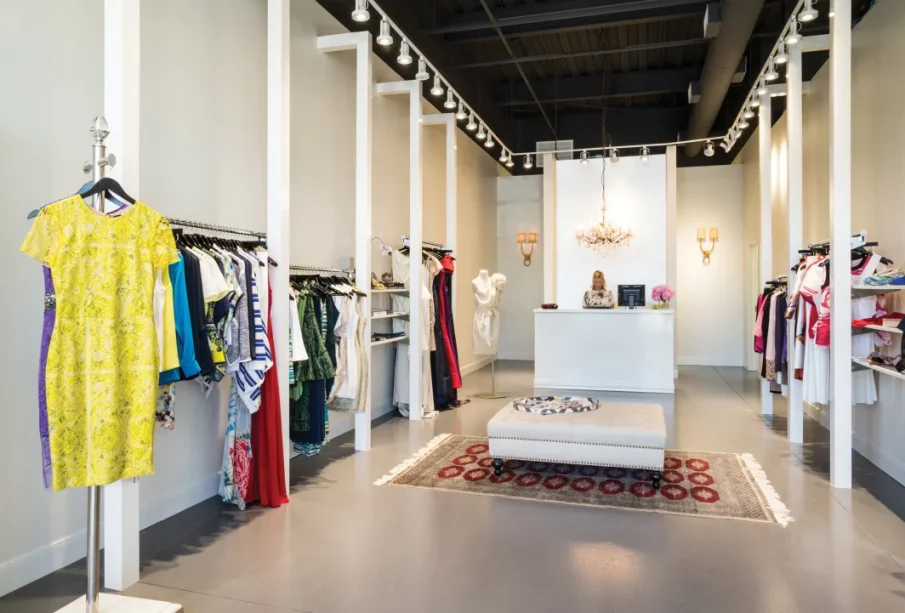
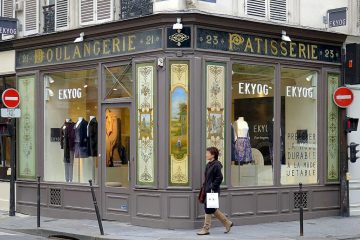
In today’s evolving retail landscape, the concept of a boutique has transformed far beyond the traditional idea of a small, stylish shop. Modern boutiques are not only curators of unique products but also creators of immersive experiences that combine craftsmanship, personalization, and brand storytelling. Whether you’re walking into a luxury fashion boutique in New York or browsing an independent online store, the boutique experience represents exclusivity, identity, and intimacy in a world dominated by mass production.
The Essence of a Boutique in Modern Commerce
A boutique is more than a retail store; it is a philosophy of personalization and authenticity. Traditionally, boutiques specialized in niche offerings such as designer apparel, handcrafted jewelry, or artisanal décor. Today, that definition has expanded to include digital boutiques—curated online spaces that deliver the same intimate shopping experience through digital innovation.
At its core, a boutique prioritizes selective quality over broad quantity. Every product tells a story, every layout evokes emotion, and every interaction builds a relationship between the brand and the customer. This approach has helped boutique-style businesses thrive even in competitive markets, especially when global consumers are seeking authenticity over convenience.
The Evolution of Boutique Retail
Boutiques have existed for centuries, but their modern form has evolved alongside consumer psychology and technology. In earlier decades, boutiques were exclusive physical spaces catering to high-end clientele. The 21st century redefined this dynamic.
With the rise of e-commerce, social media, and influencer marketing, boutiques no longer depend solely on foot traffic. Digital platforms have allowed small-scale brands to establish global recognition while maintaining the essence of exclusivity.
Boutique owners now integrate artistry with analytics—combining craftsmanship, storytelling, and data-driven insight to tailor offerings that resonate with their target audience. The success of a boutique today depends not just on the products but on the narrative, aesthetic, and values it communicates.
The Psychology Behind Boutique Appeal
Consumers are drawn to boutiques because of the psychological value of individuality. When shoppers enter a boutique or visit a digital storefront, they expect a sense of belonging to something special. This perception is driven by:
- Scarcity and exclusivity: Limited editions and small-batch items create urgency and emotional value.
- Personal connection: Personalized service makes customers feel understood and appreciated.
- Aesthetic storytelling: From store design to product presentation, boutiques curate a visual identity that appeals to emotions and lifestyle aspirations.
- Community building: Many boutique brands form tight-knit customer communities through loyalty programs, private events, or social media engagement.
This human-centered approach turns casual buyers into lifelong brand advocates.
The Boutique Experience: Beyond Products
A true boutique experience involves more than just purchasing goods; it’s about engagement, discovery, and inspiration. In physical boutiques, this experience is shaped by the ambiance—the scent, lighting, music, and tactile feel of materials. In digital boutiques, the experience relies on intuitive design, immersive visuals, and interactive features.
Boutiques differentiate themselves by focusing on details that mass retailers often overlook. Personalized packaging, handwritten thank-you notes, or follow-up messages can transform a transaction into a relationship. This type of service cultivates trust and loyalty, two pillars that sustain boutique success in competitive markets.
The Digital Boutique: Blending Technology and Craftsmanship
The rise of digital commerce has pushed boutique owners to rethink how they present exclusivity online. A successful online boutique mirrors the intimacy of an in-person experience by using technology to enhance human connection.
Innovative tools such as:
- Virtual try-ons using augmented reality (AR)
- Personalized recommendations powered by AI algorithms
- Live chat consultations for styling advice
- Exclusive digital previews or drops for VIP customers
help digital boutiques maintain authenticity while scaling globally.
Online boutiques thrive when they emphasize craftsmanship, transparency, and ethical practices. Consumers increasingly value brands that align with their personal values, from sustainability to cultural authenticity. A boutique that integrates these principles into its operations gains both credibility and customer loyalty.
Building a Successful Boutique Brand
Launching or managing a boutique requires strategic depth and creative discipline. While aesthetics and uniqueness drive appeal, sustainable success depends on business fundamentals and brand positioning. Here are key elements that define a thriving boutique:
1. Strong Brand Identity
A boutique must have a distinct personality reflected in every aspect of the business—visual identity, voice, and customer experience. Every touchpoint should reinforce the brand’s purpose and values.
2. Curation and Selectivity
Curating inventory is an art. Boutique owners must select products that align with the brand’s ethos while keeping offerings fresh and desirable. This curation is what differentiates a boutique from generic retail stores.
3. Exceptional Customer Service
Personalized service is the cornerstone of boutique operations. Customers remember how they are treated more than what they purchased. From one-on-one consultations to after-sales support, service defines loyalty.
4. Local and Global Storytelling
Even small boutiques can reach a global audience through compelling storytelling. Sharing the journey behind a collection, the artisans involved, or the cultural inspiration creates emotional resonance and brand trust.
5. Visual and Sensory Branding
For physical boutiques, interior design and layout shape the first impression. For digital boutiques, photography, color schemes, and typography are equally crucial. The visual language must communicate exclusivity and warmth simultaneously.
The Boutique and Sustainable Fashion
In the era of fast fashion and environmental awareness, boutiques play a crucial role in promoting sustainable consumerism. Many modern boutiques focus on:
- Ethical sourcing: Partnering with artisans and fair-trade suppliers.
- Limited production runs: Reducing waste and emphasizing craftsmanship.
- Recyclable packaging: Reflecting eco-conscious values in every detail.
By integrating sustainability into their core philosophy, boutiques not only attract eco-minded consumers but also contribute positively to global change.
Boutique Marketing in the Digital Age
Marketing for boutiques requires a balance between exclusivity and accessibility. Unlike large-scale brands that rely on mass advertising, boutique marketing focuses on storytelling, personalization, and organic engagement.
Effective strategies include:
- Social media storytelling: Using platforms like Instagram and Pinterest to visually narrate the brand story.
- Collaborations with micro-influencers: Partnering with voices that share authentic connections with niche audiences.
- Email personalization: Crafting tailored messages that highlight limited releases or style guides.
- Experiential events: Hosting pop-ups, workshops, or digital launch parties to engage loyal customers.
By blending creativity with digital precision, boutique brands can elevate their online visibility while maintaining their handcrafted essence.
Challenges and Opportunities in Boutique Business
While boutiques are admired for their uniqueness, they face specific challenges in scaling without losing authenticity. Key obstacles include inventory management, digital marketing costs, and customer acquisition in saturated markets.
However, the growing consumer desire for personalized experiences and authentic brands creates enormous opportunity. With careful brand strategy, boutiques can expand responsibly—maintaining exclusivity while reaching a broader demographic through thoughtful online and offline experiences.
Future Trends Shaping Boutique Retail
The boutique landscape continues to evolve as technology and consumer expectations advance. Emerging trends include:
- AI-driven personalization for deeper customer insights.
- Hybrid shopping models blending in-store experiences with online engagement.
- Sustainable innovation in materials and packaging.
- Hyper-local production focusing on community collaboration.
The next generation of boutiques will likely combine technology, ethics, and artistry to deliver elevated retail experiences that feel deeply personal and purposeful.
FAQ
What defines a boutique today?
A boutique today is defined not by size but by its philosophy—offering curated, high-quality products and personalized service that reflect a distinct brand identity.
Can online stores be considered boutiques?
Yes, digital boutiques replicate the exclusivity and intimacy of physical spaces through thoughtful design, limited collections, and interactive shopping experiences.
Why do consumers prefer boutiques over big retailers?
Because boutiques deliver authenticity, craftsmanship, and personal attention—qualities often missing in mass-market retail.
How do boutiques maintain exclusivity while expanding?
They achieve this through limited production runs, loyal customer communities, and brand storytelling that keeps their identity intact.
What is the future of boutique retail?
The future lies in merging technology with human touch—leveraging AI personalization, ethical sourcing, and immersive experiences to redefine how consumers connect with brands.
This in-depth exploration of the boutique industry highlights how personalization, innovation, and authenticity continue to shape modern commerce. In a world of endless options, the boutique remains a timeless symbol of individuality and craftsmanship, appealing to consumers who value meaning over mass appeal.