How Strength Training Can Help You Dress With More Confidence
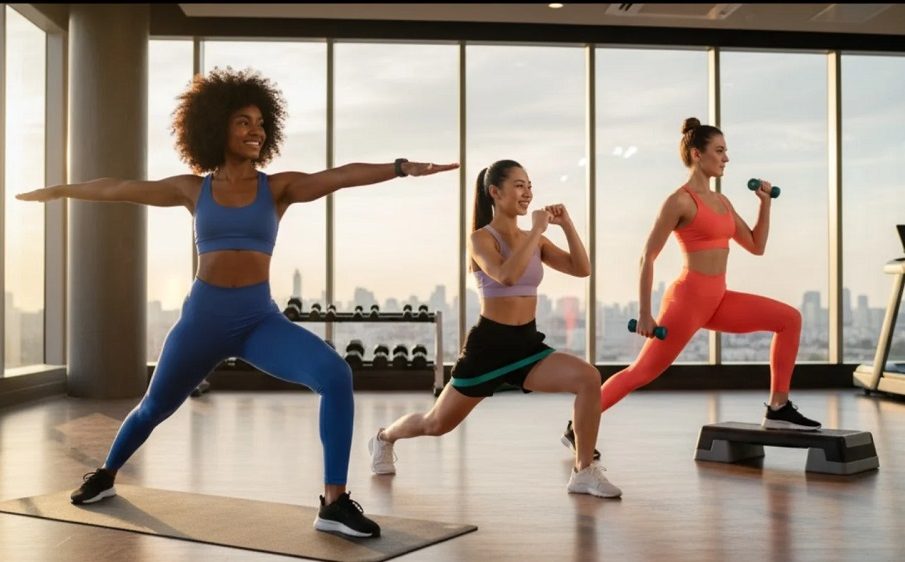
Good style does not begin with expensive clothes. It begins with how a person feels in their body. A well-fitted shirt, dress, jacket, or pair of jeans can look different when the body feels stronger, posture improves, and movement becomes more confident. Fashion is not only about fabric. It is also about the frame underneath.
This is where a personal gym trainer singapore service can support people who want to feel better in their clothes without chasing extreme body ideals. Strength training can change posture, shape, body composition, and confidence. It can help people dress with more ease because they feel stronger and more connected to their body.
Confidence Changes the Way Clothes Look
Two people can wear the same outfit and look completely different because of posture and confidence. The person who stands tall, moves comfortably, and feels at ease often carries clothing better.
Strength training can help build that confidence. It gives people physical evidence that their body is capable. They may lift heavier, move better, or feel less tired. Over time, that changes how they present themselves.
Clothing becomes less about hiding and more about expressing.
Strength Training Builds Shape
Clothes sit on structure. Muscle helps create that structure. This does not mean everyone needs to become highly muscular. Even moderate strength training can improve the way the body looks in clothing.
Different areas can influence fit:
- Shoulders affect jackets and tops.
- Upper back affects posture and shirt fit.
- Glutes influence jeans and dresses.
- Legs affect trousers and skirts.
- Core strength affects waist support.
- Arms affect sleeves and fitted tops.
Strength training gives people more control over these areas than cardio alone.
Better Posture Improves Clothing Lines
Rounded shoulders, forward head posture, or weak upper-back muscles can make clothes look less polished. Jackets may pull awkwardly. Shirts may collapse through the chest. Dresses may not sit as cleanly.
Training the upper back, shoulders, core, and hips can improve posture over time. Better posture can make even simple clothes look sharper.
Useful movements may include:
- Rows
- Lat pulldowns
- Face pulls
- Shoulder presses
- Glute bridges
- Dead bugs
- Farmer carries
- Hip hinges
These exercises support the body’s natural frame.
Dressing With Confidence Is Not About Being Smaller
Many people assume they will dress better only after losing weight. Fat loss may help some people, but it is not the only path to confidence. Strength training can improve the way clothes fit even when body weight changes slowly.
A person may notice:
- Trousers fit better at the waist
- Shirts feel better across the shoulders
- Dresses sit more smoothly
- Sleeves feel more comfortable
- Posture looks stronger in photos
- Clothes feel less restrictive
- The body feels firmer
These changes can happen through body composition and posture, not only scale weight.
Strength Can Reduce Outfit Anxiety
Some people avoid certain styles because they feel uncomfortable in their body. They may avoid sleeveless tops, fitted dresses, tucked shirts, swimwear, or tailored clothing. Strength training can help reduce that anxiety by improving body awareness and confidence.
The goal is not to force anyone into clothing they dislike. The goal is to expand choice. When the body feels stronger, people may feel freer to experiment.
Tailored Training Supports Style Goals
If someone has specific clothing-related goals, training can be tailored. For example, a person who wants better shoulder shape may need upper-body strength. Someone who wants jeans to fit better may focus on glutes and legs. Someone who wants better posture in workwear may need back, core, and mobility work.
A trainer can translate style goals into movement goals.
Examples include:
- “I want jackets to fit better” becomes upper-back and shoulder training.
- “I want more confidence in jeans” becomes glute and leg strength.
- “I want to stand taller” becomes posture and core work.
- “I want firmer arms” becomes progressive upper-body training.
This makes the goal more practical.
Cardio Alone May Not Create the Desired Fit
Cardio can support stamina and fat loss, but it may not create the muscle tone or posture that improves clothing fit. People who rely only on cardio may lose weight but still feel that clothes do not sit the way they want.
Strength training adds shape. It can create a more balanced appearance.
A strong routine may combine strength, moderate cardio, mobility, and nutrition.
Nutrition Still Matters
Clothing fit is influenced by body composition, and nutrition plays a role. Strength training works better when the body has enough protein, balanced meals, and recovery.
This does not mean strict dieting. A practical approach includes:
- Protein with meals
- Enough vegetables and fiber
- Hydration
- Balanced portions
- Less random snacking
- Consistency during workweeks
- Avoiding crash diets
- Eating enough to support training
Food should support confidence, not create fear.
Fashion Confidence Is Personal
Not everyone wants the same body shape or style. Some people want a stronger athletic look. Some want a leaner silhouette. Some want better posture in professional clothing. Some want to feel comfortable in casual wear.
A good training plan respects personal preference. It should not force a standard ideal.
The best result is when the person feels more like themselves.
Progress Can Be Measured Through Clothing
Clothing can be a useful progress marker. A specific pair of trousers, a fitted shirt, or a dress can show changes that the scale misses. People should avoid obsessing over one item, but clothing feedback can be encouraging.
Progress may be felt before it is seen by others. That still matters.
Strength Training Improves Movement in Clothes
Confidence is not only about standing still. It is also about moving. Sitting, walking, climbing stairs, lifting a bag, or posing for photos all feel different when the body is stronger.
A strong body makes movement smoother. Clothes feel better when the person is not constantly adjusting, shrinking, or hiding.
Avoiding Unrealistic Style Pressure
Fashion images often show perfect lighting, tailoring, posing, and editing. Real bodies change throughout the day. They sit, breathe, eat, move, and fluctuate.
Strength training should support confidence, not create another standard to chase. The goal is to dress with more ease and self-respect.
Choosing the Right Support
People who connect fitness with style should look for training that builds strength, posture, and body composition in a realistic way. The right plan should be progressive but not extreme.
For those comparing options, True Fitness Singapore may be relevant when looking for indoor training support that helps connect strength, confidence, and everyday presentation.
FAQ
Can strength training improve the way clothes fit?
Yes. Strength training can improve muscle tone, posture, body composition, and confidence, all of which affect clothing fit.
Do people need to lose weight to dress better?
Not always. Better posture, strength, and body shape can improve clothing fit even without major weight loss.
Which exercises help with better posture in clothes?
Rows, face pulls, glute bridges, core stability work, and shoulder exercises can help support better posture.
How long before strength training affects clothing fit?
Some people notice small changes within weeks, while more visible changes usually take a few months of consistency.