The Science and Art of Beauty: Understanding What Truly Makes Us Feel Beautiful
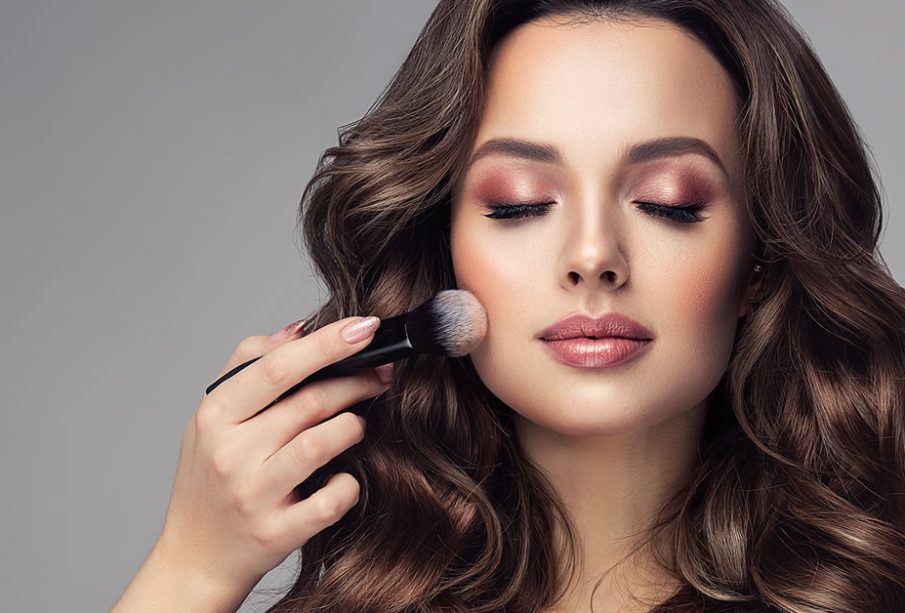
Beauty has long been a central part of human expression and identity. It’s not just about appearance—it’s a multidimensional concept shaped by biology, psychology, and culture. In today’s digital era, beauty has evolved into an intersection of art, wellness, and science. Whether viewed through the lens of skincare, aesthetics, or emotional well-being, beauty is a reflection of balance—between the body, mind, and self-perception.
The Evolving Definition of Beauty
The perception of beauty has never been static. Across centuries, what society deems beautiful has transformed alongside cultural norms, fashion, and technology. In ancient civilizations, beauty symbolized fertility and prosperity. The Renaissance era celebrated natural, fuller figures, while the 20th century introduced cinematic glamour. Today, the concept of beauty embraces individuality and inclusivity.
Modern beauty prioritizes authenticity over perfection. The rise of diverse representation in media has reshaped ideals, encouraging self-acceptance and personal expression. Beauty is no longer about meeting a standard—it’s about defining your own. When people feel empowered to express themselves freely, they radiate confidence, which remains one of the most universally admired traits.
The Science Behind Beauty and Attraction
Scientific studies reveal that certain aspects of beauty are hardwired into the human brain. Symmetry, for instance, is subconsciously associated with genetic health and vitality. However, beauty perception extends far beyond physical features. Psychological research shows that kindness, emotional intelligence, and positivity can significantly influence how others perceive someone’s attractiveness.
Beauty also has biological implications. When individuals feel beautiful, their self-esteem improves, leading to lower cortisol levels and enhanced overall well-being. This relationship between emotional health and physical appearance demonstrates that true beauty is as much internal as it is external.
Factors That Influence the Perception of Beauty
- Facial Symmetry: Often linked to health and genetic stability
- Skin Health: Clear, hydrated skin signals vitality and youth
- Body Language: Confidence, posture, and expressions shape how beauty is perceived
- Emotional Expression: Genuine smiles and positive energy increase attractiveness
- Cultural Context: Beauty ideals vary globally, influenced by local traditions and media
The Role of Skincare in Modern Beauty
Skincare forms the foundation of contemporary beauty. It’s not merely a cosmetic routine—it’s a self-care ritual that enhances both appearance and confidence. Consistent skincare helps maintain the skin barrier, prevent premature aging, and create a radiant complexion.
Key Elements of Effective Skincare
- Cleansing: Removing impurities and maintaining skin balance
- Exfoliation: Encouraging cell turnover for smoother texture
- Hydration: Maintaining moisture levels for elasticity and glow
- Sun Protection: Shielding skin from UV damage and photoaging
- Nourishment: Using serums and antioxidants to repair and protect
Modern consumers seek science-backed skincare solutions supported by dermatological research. Ingredients like hyaluronic acid, niacinamide, and peptides are now staples due to their proven results.
Psychological Beauty: Confidence and Inner Radiance
Beauty is equally emotional. People who feel good about themselves project confidence that others naturally find attractive. Self-perception plays a significant role in how beauty manifests. When individuals practice self-care, express gratitude, and cultivate inner peace, they appear more radiant and self-assured.
How to Enhance Inner Beauty
- Mindfulness: Reduces stress and improves emotional clarity
- Sleep Quality: Promotes natural skin regeneration and brightness
- Nutrition: A balanced diet supports hair, skin, and nail health
- Positive Affirmations: Strengthen self-image and reduce insecurity
- Social Connection: Supportive relationships enhance emotional well-being
True beauty emanates from a harmonious mind-body connection. When people align their internal wellness with external care, their beauty becomes more authentic and lasting.
The Intersection of Beauty and Technology
The beauty industry has embraced innovation, integrating biotechnology, AI, and personalized solutions. Artificial intelligence now analyzes skin conditions with remarkable precision, suggesting customized routines tailored to individual needs. Smart mirrors and virtual try-ons enable consumers to experiment safely before committing to products.
How Technology Enhances the Beauty Experience
- AI Skincare Analysis: Detects hydration, wrinkles, and pigmentation levels
- Personalized Formulations: Creates products tailored to skin chemistry
- Virtual Consultations: Connect users with experts worldwide
- Sustainable Production: Reduces waste through smart manufacturing
These advancements make beauty more efficient, accessible, and sustainable while ensuring scientifically supported outcomes.
The Importance of Sustainable Beauty Practices
Sustainability has become a defining pillar in the modern beauty landscape. Consumers are increasingly mindful of environmental impact, demanding transparency and ethical sourcing. Sustainable beauty encompasses eco-friendly packaging, cruelty-free testing, and renewable ingredient sourcing.
Key Principles of Sustainable Beauty
- Minimal Waste: Using recyclable or biodegradable packaging
- Ethical Sourcing: Supporting fair-trade and non-exploitative labor
- Clean Formulations: Avoiding harmful chemicals and unnecessary additives
- Water Conservation: Reducing production waste and water use
Brands adopting sustainable practices align with consumer values while promoting long-term ecological balance. This harmony between beauty and environmental responsibility represents the next era of conscientious self-care.
Cultural Diversity and Global Beauty Ideals
Beauty manifests differently around the world. In Japan, skincare rituals emphasize purity and hydration, while in the USA, individuality and self-expression are celebrated. African beauty traditions embrace natural oils and protective hairstyles, while Nordic routines highlight simplicity and balance.
This diversity underscores a universal truth: beauty is deeply personal and culturally rooted. The globalization of media has broadened appreciation for varied aesthetics, helping redefine beauty as inclusive and dynamic.
The Future of Beauty: Where Innovation Meets Humanity
The future of beauty lies at the crossroads of science, ethics, and personalization. The industry’s focus is shifting from transformation to enhancement—helping individuals feel like their best selves rather than conforming to unrealistic ideals.
Emerging biotechnology will continue to revolutionize skincare and haircare with DNA-based diagnostics, regenerative formulas, and microbiome-balancing ingredients. AI will refine personalization, while sustainable innovation will minimize environmental impact.
Most importantly, the emotional component of beauty—confidence, joy, and authenticity—will remain irreplaceable. Beauty will continue to evolve, but its essence will always revolve around self-expression and self-respect.
Real-Life FAQs
What makes someone truly beautiful?
True beauty arises from a combination of self-confidence, kindness, and physical care. People who feel content within themselves exude a natural glow that transcends appearance.
Can skincare alone enhance beauty?
Skincare is a foundational element but not the whole picture. A balanced lifestyle, proper nutrition, and stress management all contribute significantly to long-term beauty.
How is technology changing the beauty industry?
Technology enables more accurate skin assessments, personalized formulations, and sustainable manufacturing, making beauty solutions more tailored and effective.
Why is sustainable beauty important?
Sustainable beauty protects both human health and the planet. It ensures products are safe, ethical, and environmentally responsible without compromising effectiveness.
Is there a link between mental health and physical beauty?
Yes, emotional well-being greatly influences physical appearance. Reduced stress and improved sleep can lead to clearer skin, brighter eyes, and a more relaxed, youthful demeanor.